
Seasons & events
Gurugram air quality by month: when to come and when to stay away
The gap between the cleanest and dirtiest months of the year is roughly 400 AQI points, and the calendar is more predictable than most visitors realise.
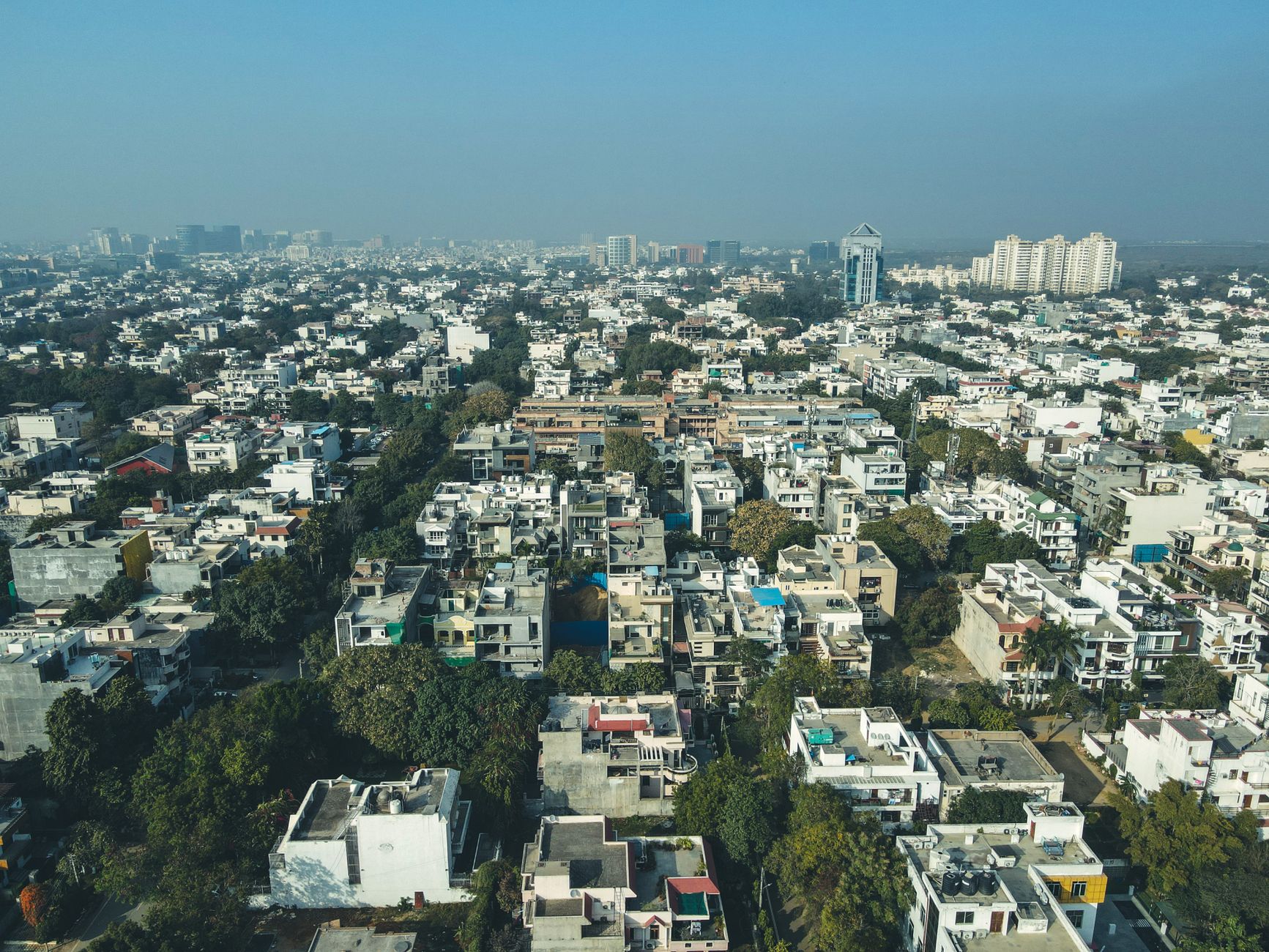
The honest picture, month by month
Gurugram averages a full-year AQI around 180-220, which sits in the 'unhealthy' band by US EPA standards. But that number hides a range that runs from 50 in July to 500-plus in early November. The pattern repeats every year with small variations. If you are asthmatic, pregnant, travelling with children under five or with parents over 65, the difference between visiting in October and visiting in March is not a nuisance — it is a health decision. Even healthy adults notice the November air within an hour of landing.
The dirty months are November, December, early January and to a lesser extent October and February. The clean months are July, August, September, and the first half of March. April through June are dusty rather than smoky — AQI 150-220 driven by construction and heat, not by combustion. Understanding which kind of bad air you are dealing with matters because the countermeasures differ. Smoke needs masks and indoor air purifiers; dust needs hydration and eye protection more than filtration.
November: the worst air on the planet, most days
The first three weeks of November are consistently the most polluted period of the year not just in Gurugram but in the world. AQI readings of 400-500 are routine, and single days above 800 happen. The cause is a combination — post-Diwali firework residue, paddy stubble burning across Punjab and Haryana, cold-weather inversion trapping smoke at ground level, and Diwali itself compounding it. Schools close for a week, outdoor exercise is genuinely dangerous, and Delhi's construction sector shuts by court order.
Hotel rates dip slightly the week after Diwali as some corporate travel gets cancelled, but the wedding season absorbs most inventory anyway. If you must be here for work, stay in a hotel with sealed windows and a modern HVAC — the newer Cyber City towers, the airport corridor properties — and buy an N95 for the walk from car to lobby. Do not go on the DLF Cyber Hub outdoor terraces. Do not visit Sultanpur National Park or the Aravalli trails. Do not run in Leisure Valley Park. Reschedule to March if you have the flexibility.
December to mid-January: bad, but stable
December air is worse in perception than November because it lasts longer and does not spike as dramatically. AQI sits at 300-400 most days with the occasional dip to 200 after a Western Disturbance blows through. The stubble burning has stopped by early December but the inversion holds smoke from vehicles, industry, generators and open-air fires that unauthorised colonies use for heat. Fog compounds the visual — you often cannot see 200m across Golf Course Road at 9am.
This is when to plan indoor. Malls become genuinely useful — Ambience, DLF CyberHub, Airia, MGF Metropolitan. Museums in Delhi, half an hour on the Yellow Line, are good weekday afternoons. Skip anything on the Aravalli ridge including the biodiversity park and Damdama Lake. If you have a hotel gym use it instead of the outdoor pool deck. Book a hotel with an in-room air purifier and confirm this on the phone, not just from a website — some properties list them but do not maintain the filters.
Mid-January to February: cleaner but still not good
The second half of January and most of February see AQI drop into the 150-250 range. This is 'unhealthy for sensitive groups' territory rather than 'hazardous' — a real improvement. The wind patterns shift, western disturbances arrive more often, and the inversion breaks up. You can exercise outdoors in the early afternoon when the sun has burned off the morning haze. Golf becomes pleasant again. The Sultanpur birding season is at its peak with migrants down from Central Asia, and the trail system reopens for practical use.
This is when to visit if you have any respiratory sensitivity but want the cool winter weather. Book for the last week of January or the first three weeks of February. Skip the last week of February and first week of March — this is when the pre-Holi dust storms sometimes push AQI back up briefly. Weather is 8-24C, dry, sunny by late morning. Room rates are elevated by the wedding calendar but health-wise this is the winter sweet spot.
March to June: dust replaces smoke
By mid-March combustion pollution drops sharply. The city switches from wood and coal heating, construction sites reopen with dust rather than smoke as the main contaminant, and temperatures climb enough that inversions do not form. AQI averages 130-190 through spring, driven by particulate dust from unpaved edges, ongoing construction, and the pre-monsoon dry period. This is a different kind of bad — irritating rather than dangerous for most adults, though allergies flare because pollen is peaking.
May and June bring the loo — hot dry westerly winds that can push AQI back to 250-300 during dust storms. These are dramatic but short. Overall spring air is manageable and outdoor evenings become pleasant again after the sun drops. This is when to eat on the Cyber Hub terraces and the Sector 29 rooftop bars. The temperature is the constraint by late April, not the air — daytime highs of 38-44C keep you indoors between 11am and 5pm anyway. Hotel pool decks come into their own from mid-March.
July to September: the only genuinely clean air
Monsoon rain scrubs the atmosphere. AQI drops to 50-90 for most of July and August, which is 'good' to 'moderate' — comparable to a European summer city. This is the healthiest air Gurugram gets and it lasts about ten weeks. Humidity is brutal at 80%-plus and everything smells of wet earth, but your lungs actually recover. Residents with kids and older parents plan overseas trips for November and stay through July-August specifically for this window.
The trade-off is that outdoor activity is limited by rain and heat regardless of the clean air. You will not be jogging much in 33C humidity. But you can safely sit on a terrace, open your hotel windows, take a long walk between showers, and not think about your air purifier for two months. September is a hinge month — clean until roughly the 20th, then air quality starts sliding as the monsoon retreats and construction resumes at full pace. October is the transition to the bad months.
Practical countermeasures if your dates are fixed
N95 or KN95 masks, not surgical or cloth. Buy them locally — pharmacy chains like Apollo and MedPlus stock certified ones at ₹95-₹190 apiece. A ten-pack lasts a week in November. Portable air purifiers like the smallest Xiaomi or Honeywell units cost ₹5705-₹11411 and are worth buying on arrival if you are staying a week or longer, then leaving with the hotel or gifting. Confirm your hotel room has one and that the filter has been changed this year — ask specifically.
Hydrate more than you think — dry winter air plus pollution dehydrates fast. Nasal saline sprays help. Avoid dairy and heavy fried food if your throat starts irritating; the local wisdom on this holds up. Do not exercise outdoors when AQI is above 200, and do not sleep with windows open in the bad months regardless of how tempting the temperature feels. If you develop a cough that will not shift, see a doctor at Medanta or Fortis — both handle short-consultation walk-ins for ₹2377-₹4279.
Good to know
Questions, answered
Is October really as bad as November?
Close, but not quite. October runs AQI 200-350 in the second half of the month as stubble burning begins and temperatures cool. November hits 400-500 regularly. If you are choosing between the two, October is meaningfully better — book the first two weeks of October rather than the last two, and you get autumn weather with air that is still merely unhealthy rather than hazardous.
Do hotel air purifiers actually work?
The good ones do. A HEPA-grade purifier in a sealed room brings indoor AQI from 400 down to 40-80 within two hours. The catch is filter maintenance — hotels that do not change filters every three months are just running fans. Ask the front desk when the filter was last changed and check the pre-filter for grey buildup when you enter the room.
How bad is the air for a three-day business trip in December?
Unpleasant but not medically significant for a healthy adult. You will notice throat irritation and possibly a mild cough by day two. Wear a mask outdoors, stick to indoor meetings, and use the hotel gym rather than running outside. The lung function impact of 72 hours' exposure is real but reversible within a week of leaving.
Are the air quality apps accurate?
IQAir and CPCB's SAMEER app both use real monitoring stations and match reality within 10-15%. Free apps that aggregate from multiple sources sometimes lag by 4-6 hours during rapid changes. Check IQAir hourly if you have outdoor plans in the bad months — a morning AQI of 350 can drop to 180 by 3pm on a windy day.
Doing good is the business: every booking through Stay Gurugram funds one verified tonne of carbon removal — same room, same price, no markup.
Start your search