

Museums
Museum of Folk and Tribal Art
A private collector's hoard of masks, dolls, textiles and ritual objects from every corner of India, crammed into a suburban bungalow.
Details →On the ground
Forts, museums, parks, springs and the food streets — the sights worth your time, with real hours and honest entry prices.
Museums
A private collector's hoard of masks, dolls, textiles and ritual objects from every corner of India, crammed into a suburban bungalow.
Details →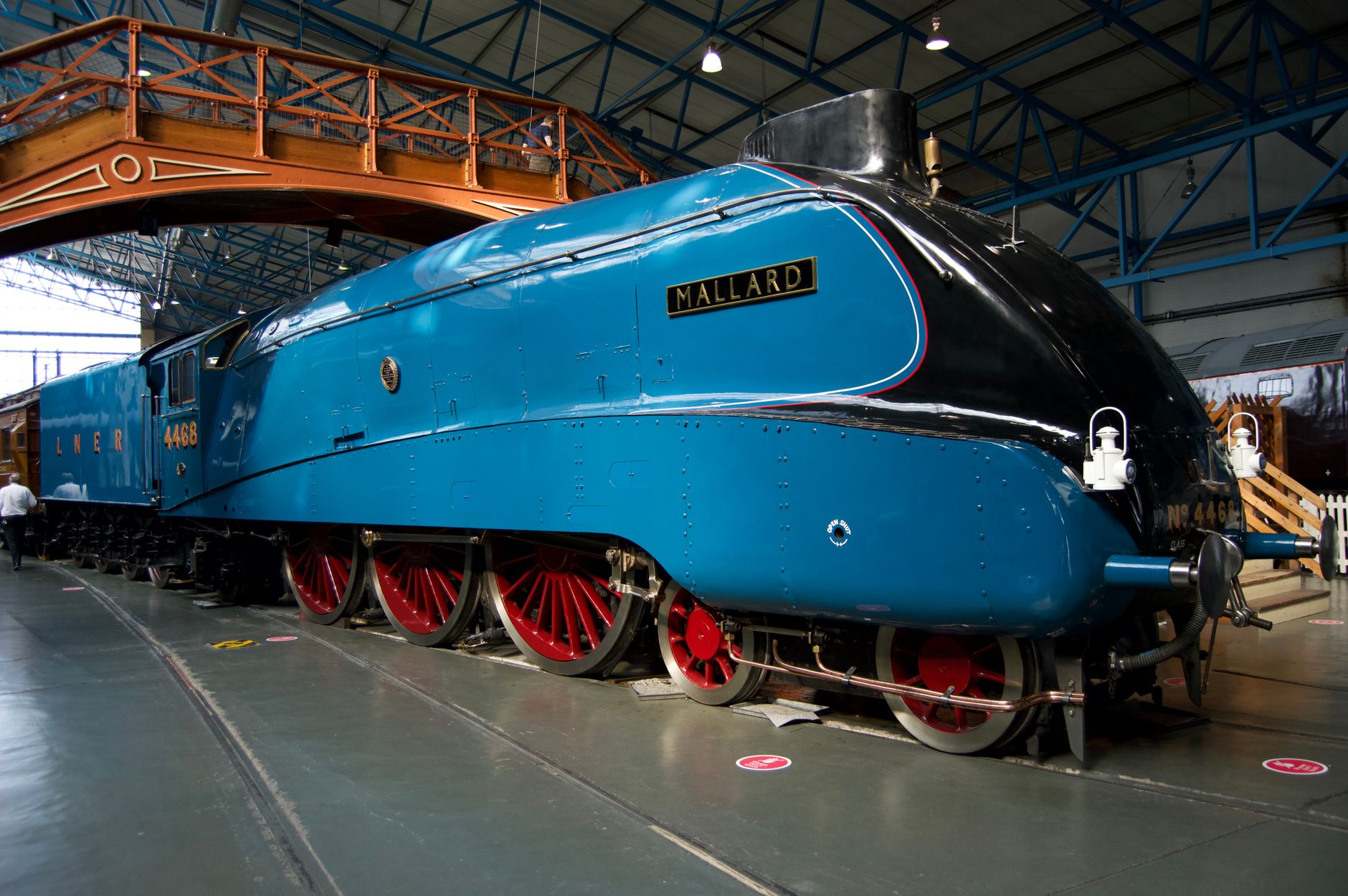
Museums
A four-storey purpose-built museum on the Delhi-Jaipur highway with India's largest collection of vintage cars, aircraft, trains and palanquins.
Details →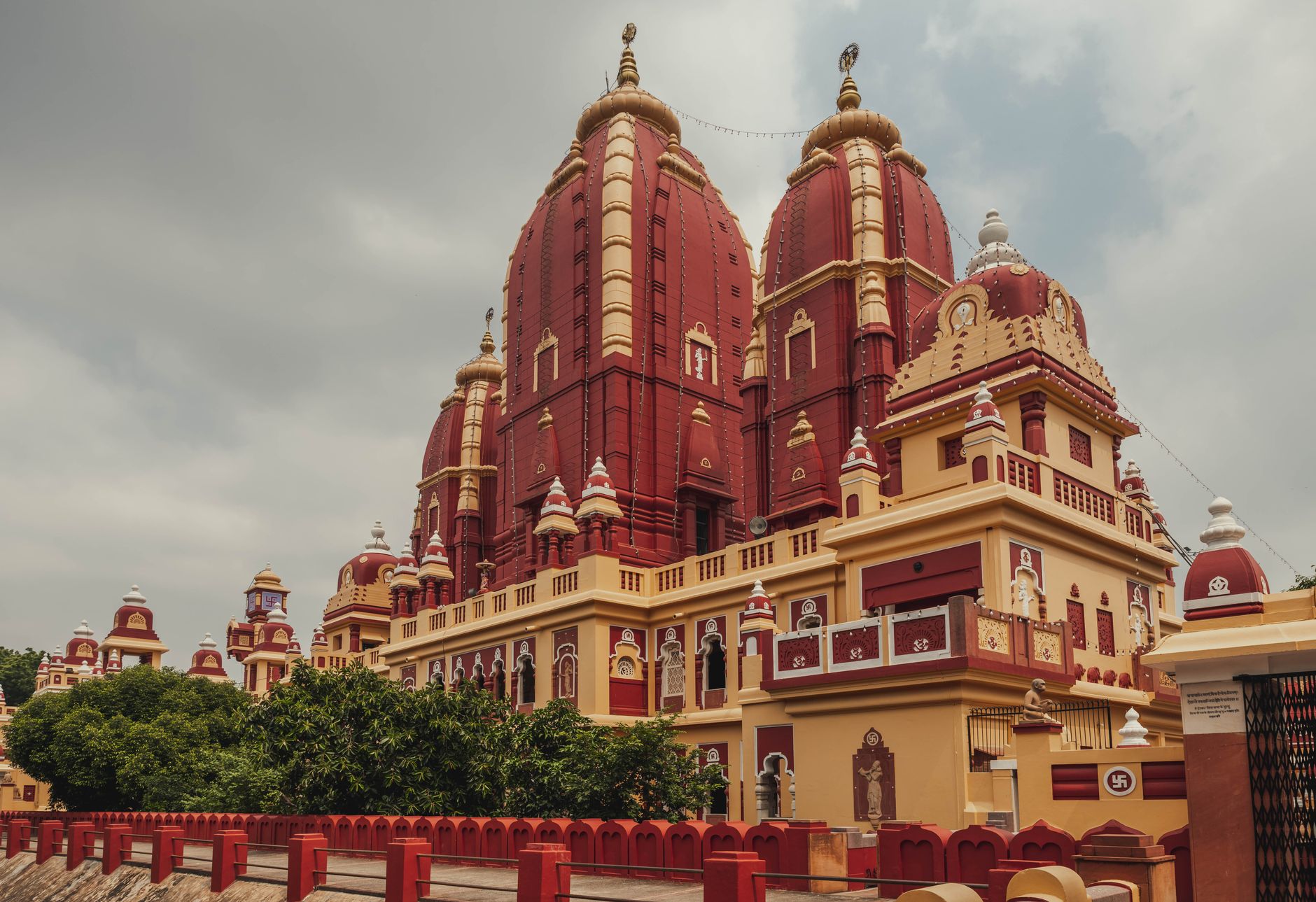
Museums
A live-theatre and cultural theme complex staging Bollywood-scale musicals and a walkable street of Indian states.
Details →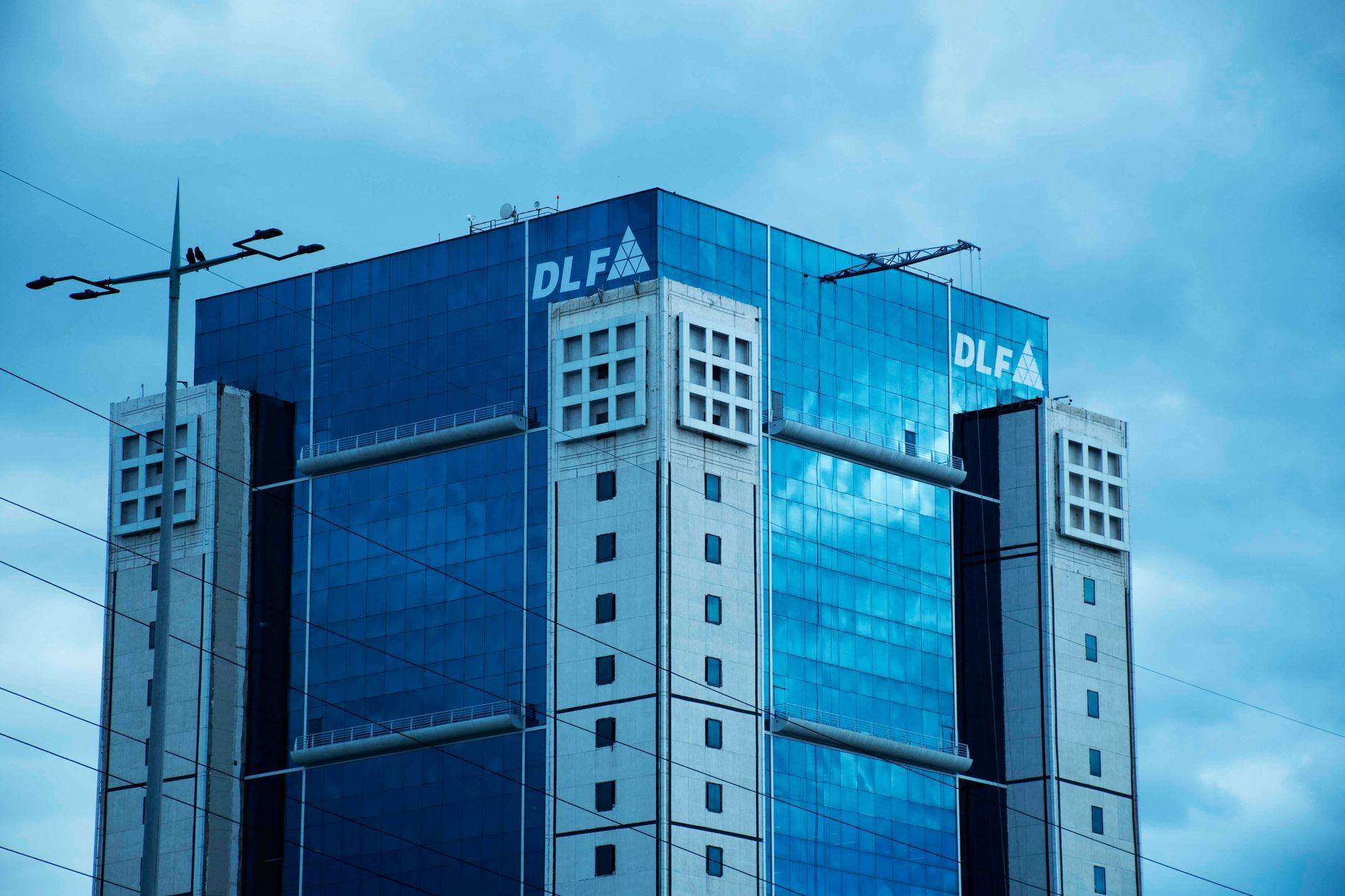
Cultural Landmarks
The open-air food-and-drink plaza at the heart of Cyber City where corporate Gurugram eats, meets and drinks after work.
Details →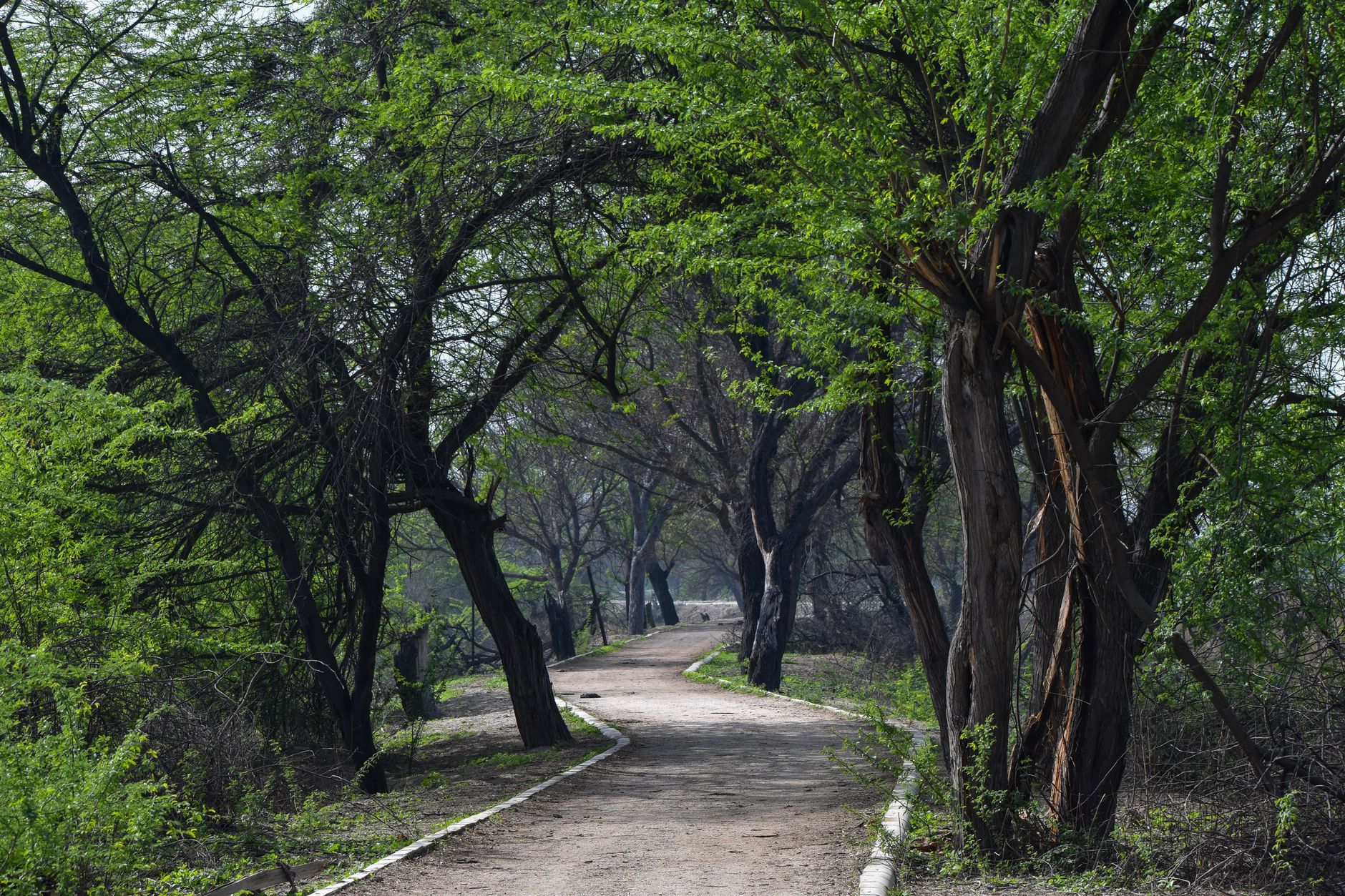
Natural Parks
A shallow wetland on the Gurugram-Farrukhnagar road that draws Siberian cranes, flamingos and 250 other bird species between October and March.
Details →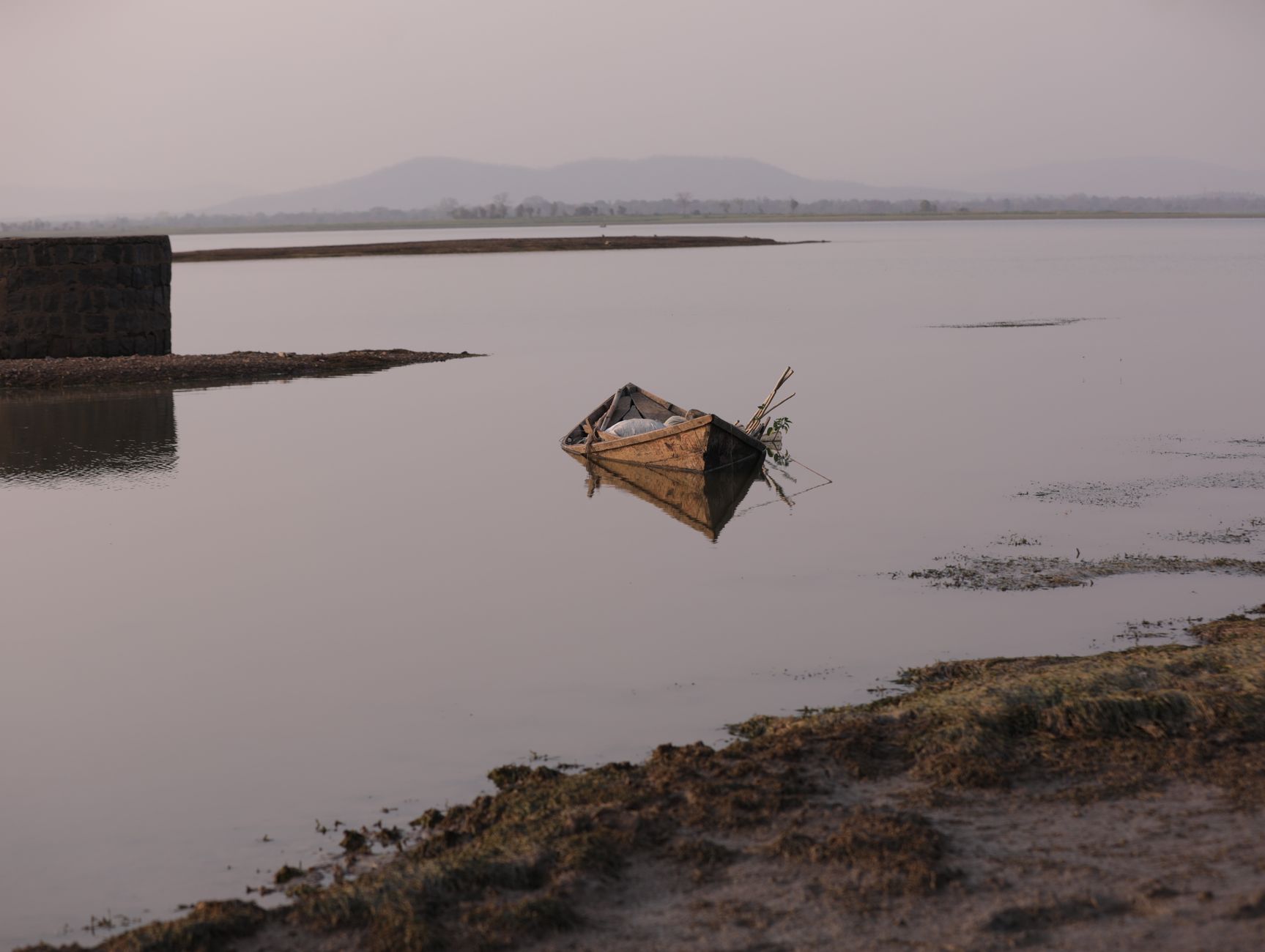
Green Spaces
A shallow Aravalli reservoir 40 km south of Gurugram where locals kayak, camp and eat parathas on Sundays.
Details →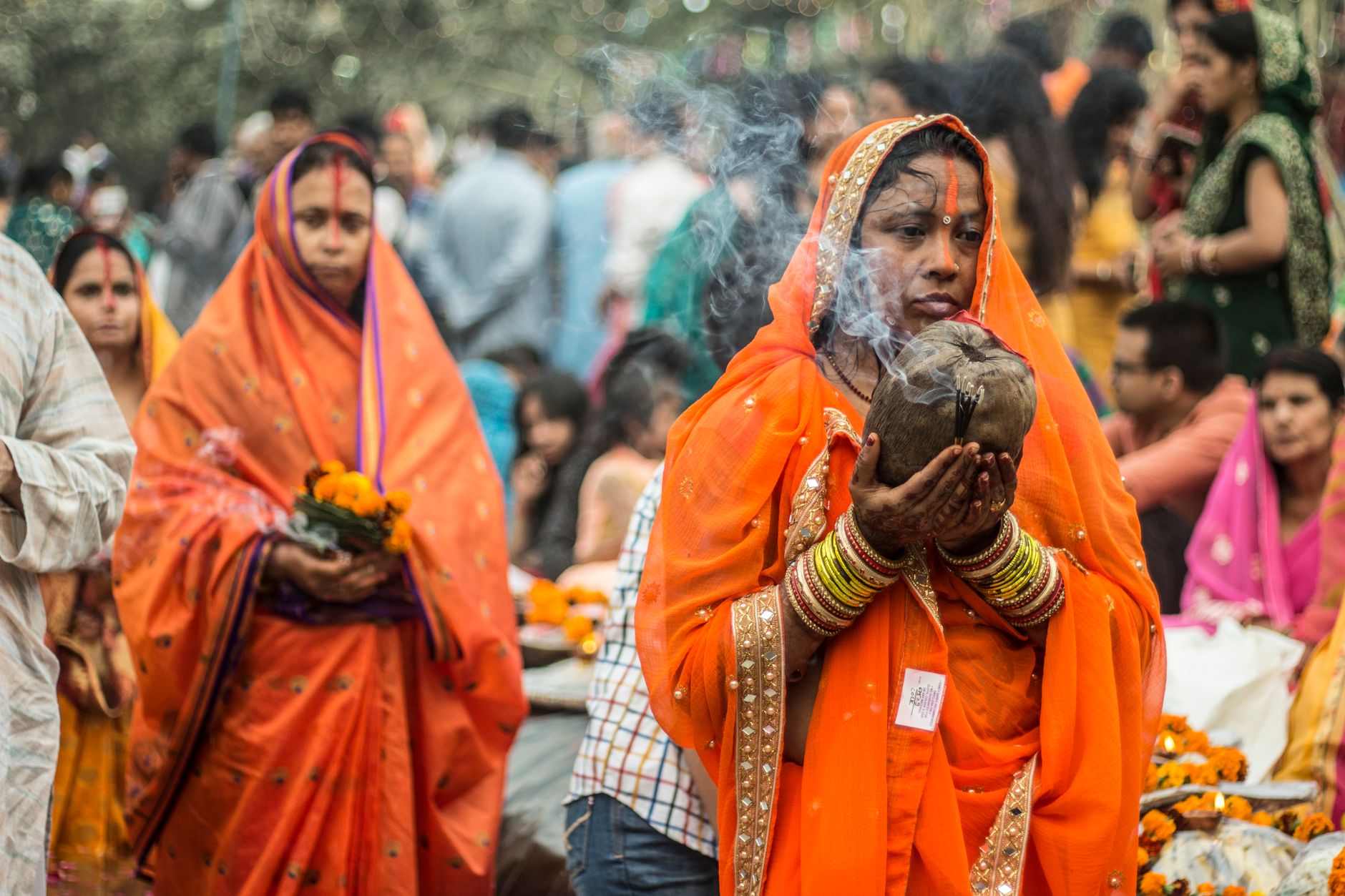
Spiritual Sites
The city's most important temple, dedicated to the goddess after whom Gurgaon-Gurugram was once informally called Sheetla-gram.
Details →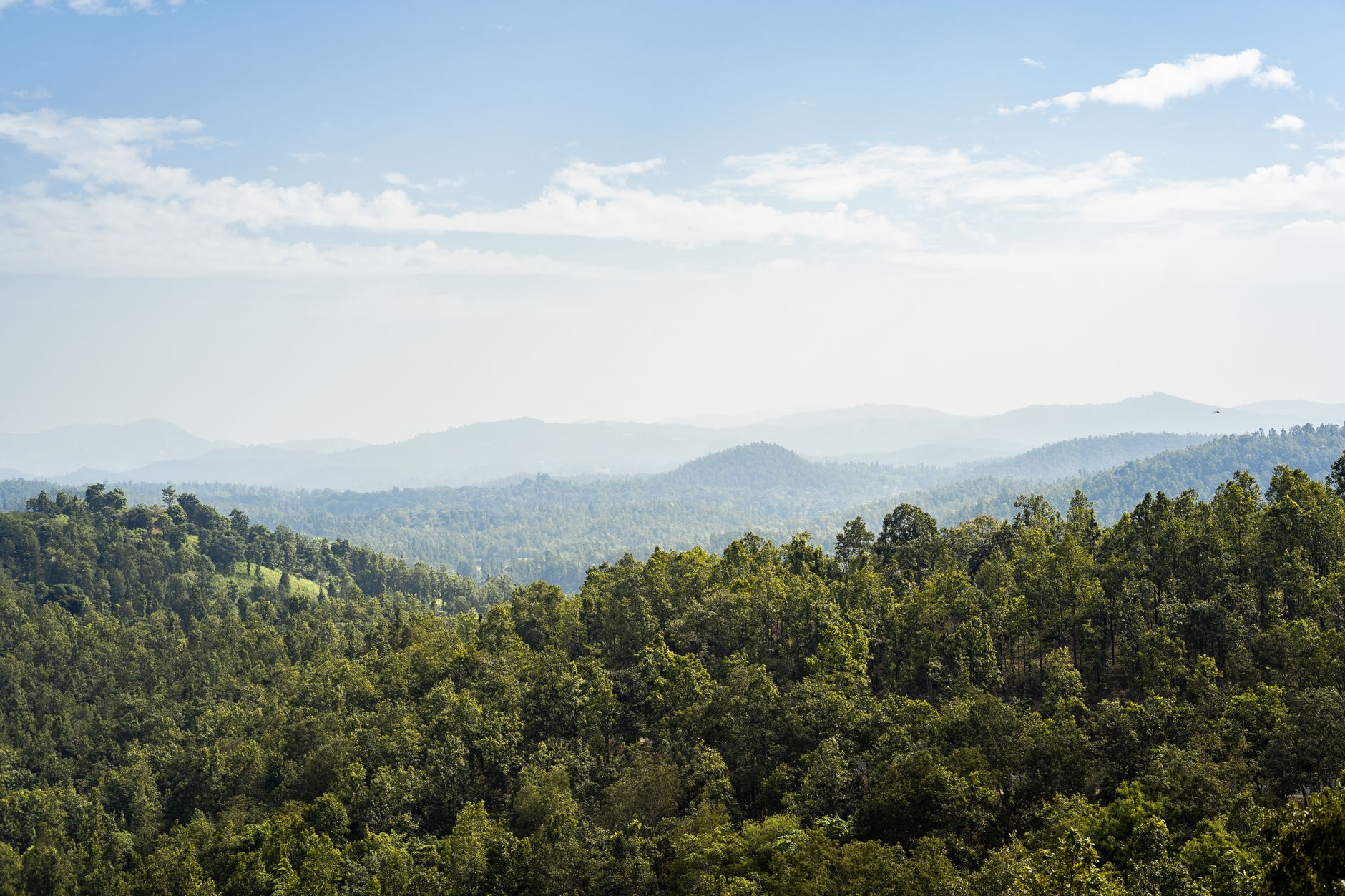
Green Spaces
A 400-acre rewilded former mining site next to Cyber Hub, now the city's cleanest walking and jogging space.
Details →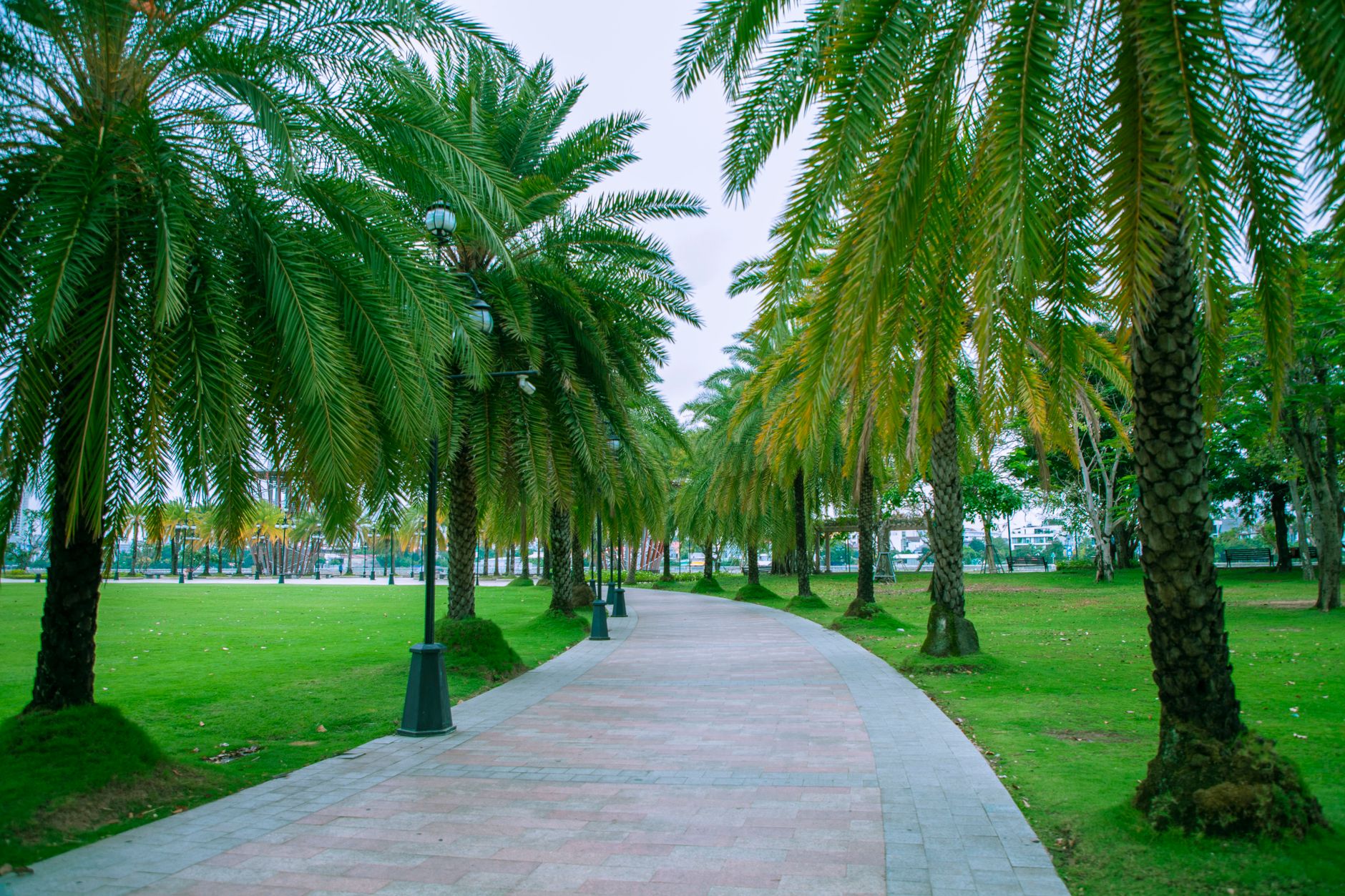
Green Spaces
A 34-acre landscaped park in the middle of Sector 29 with a musical fountain, amphitheatre and morning yoga on the lawns.
Details →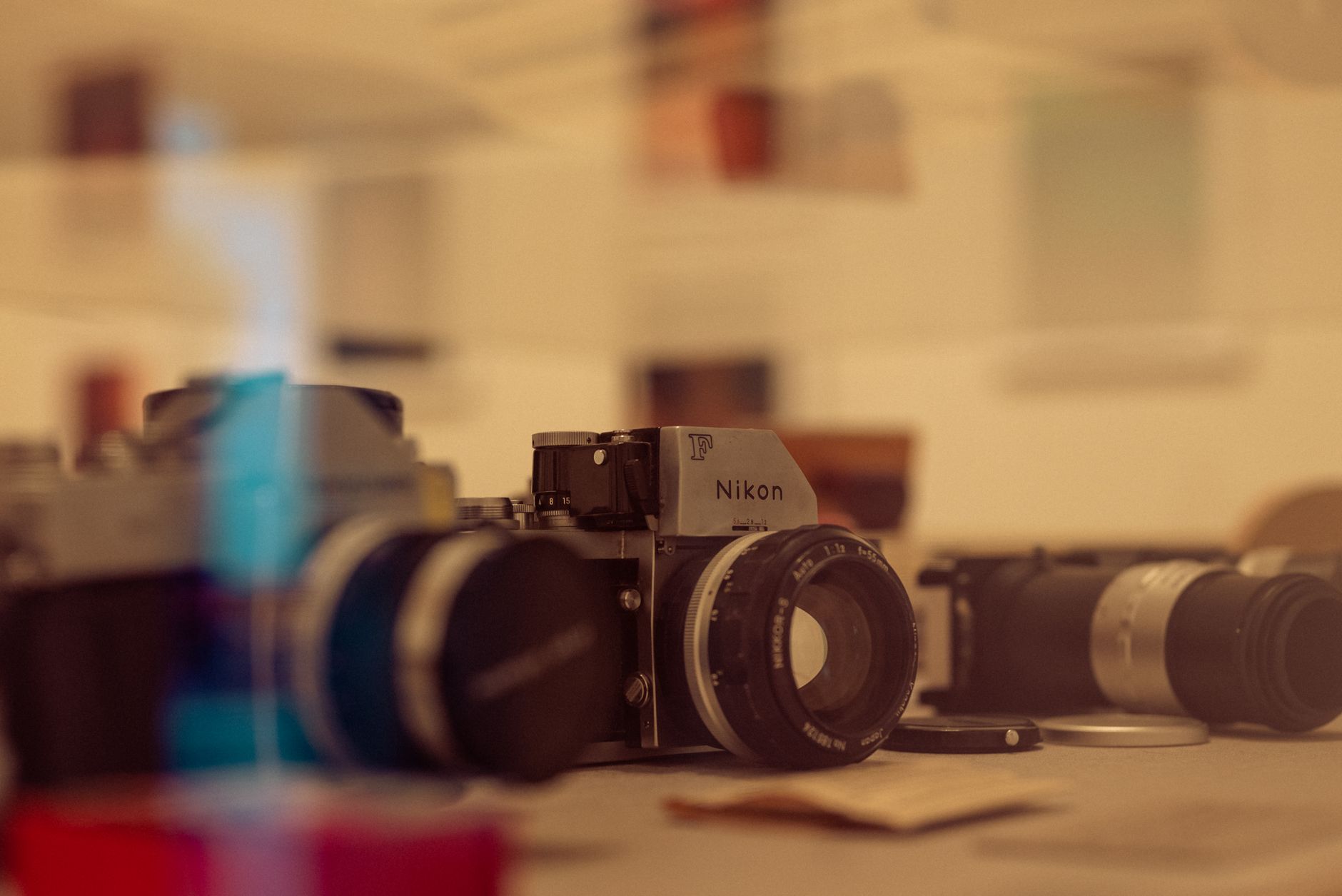
Museums
Aditya Arya's private collection of 2,500 historic cameras and prints, arranged as an actual museum with rotating photography exhibitions.
Details →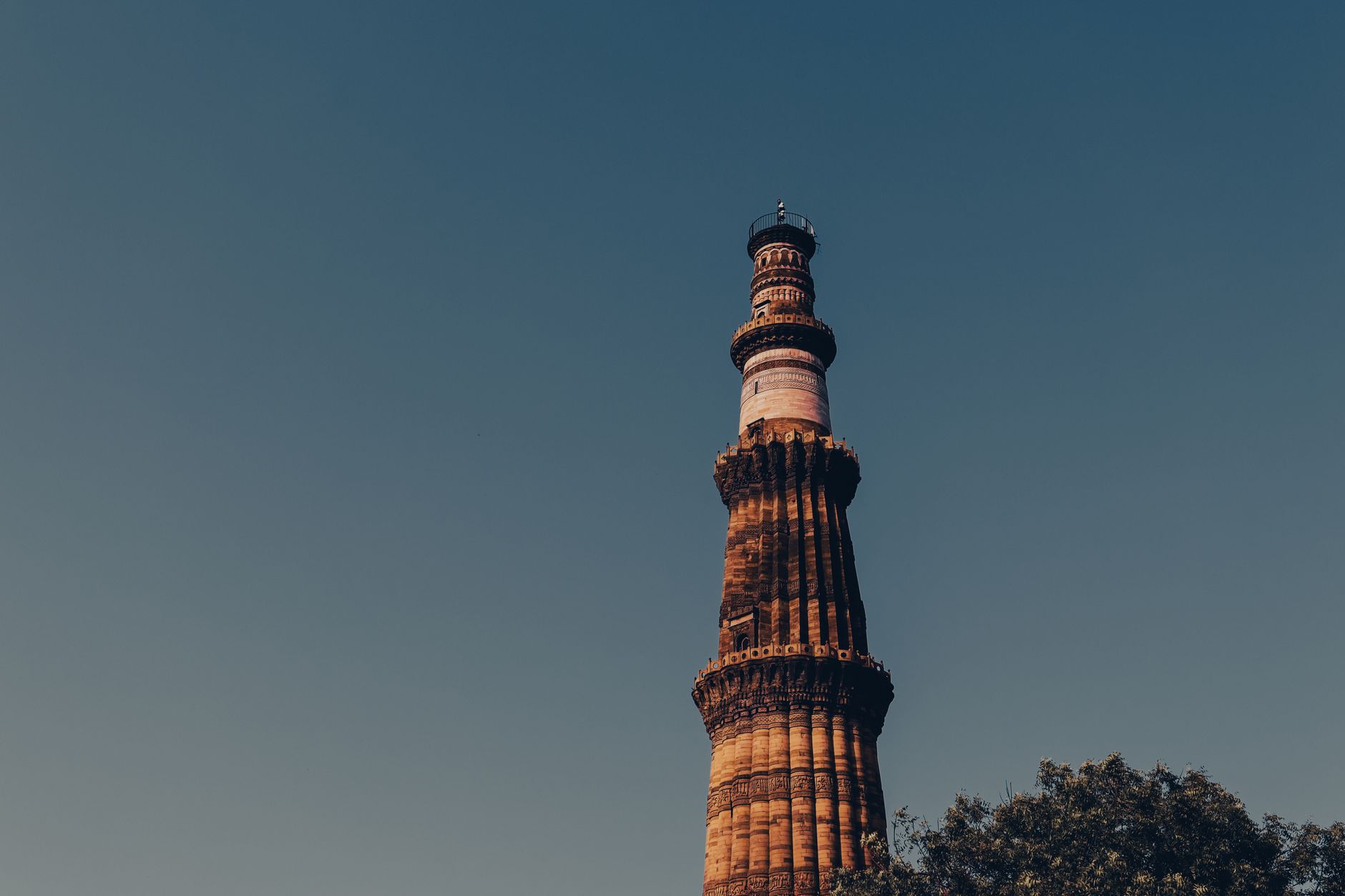
Historic Sites
The 73-metre red sandstone tower begun by Qutub-ud-din Aibak in 1193, and India's tallest minaret, twenty kilometres north of Cyber City.
Details →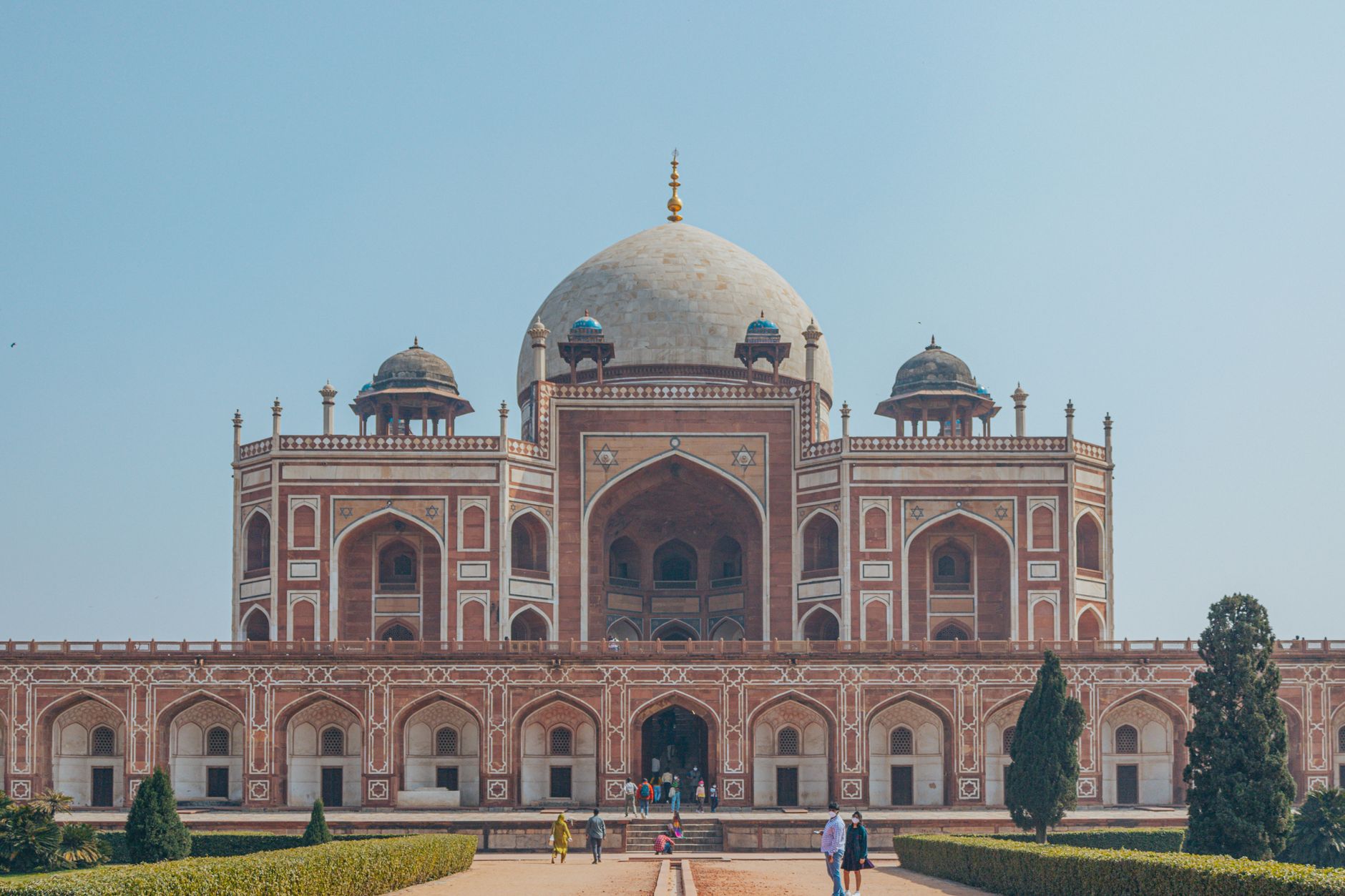
Historic Sites
The 1570 tomb-garden of the second Mughal emperor and the direct architectural ancestor of the Taj Mahal, an hour from Gurugram.
Details →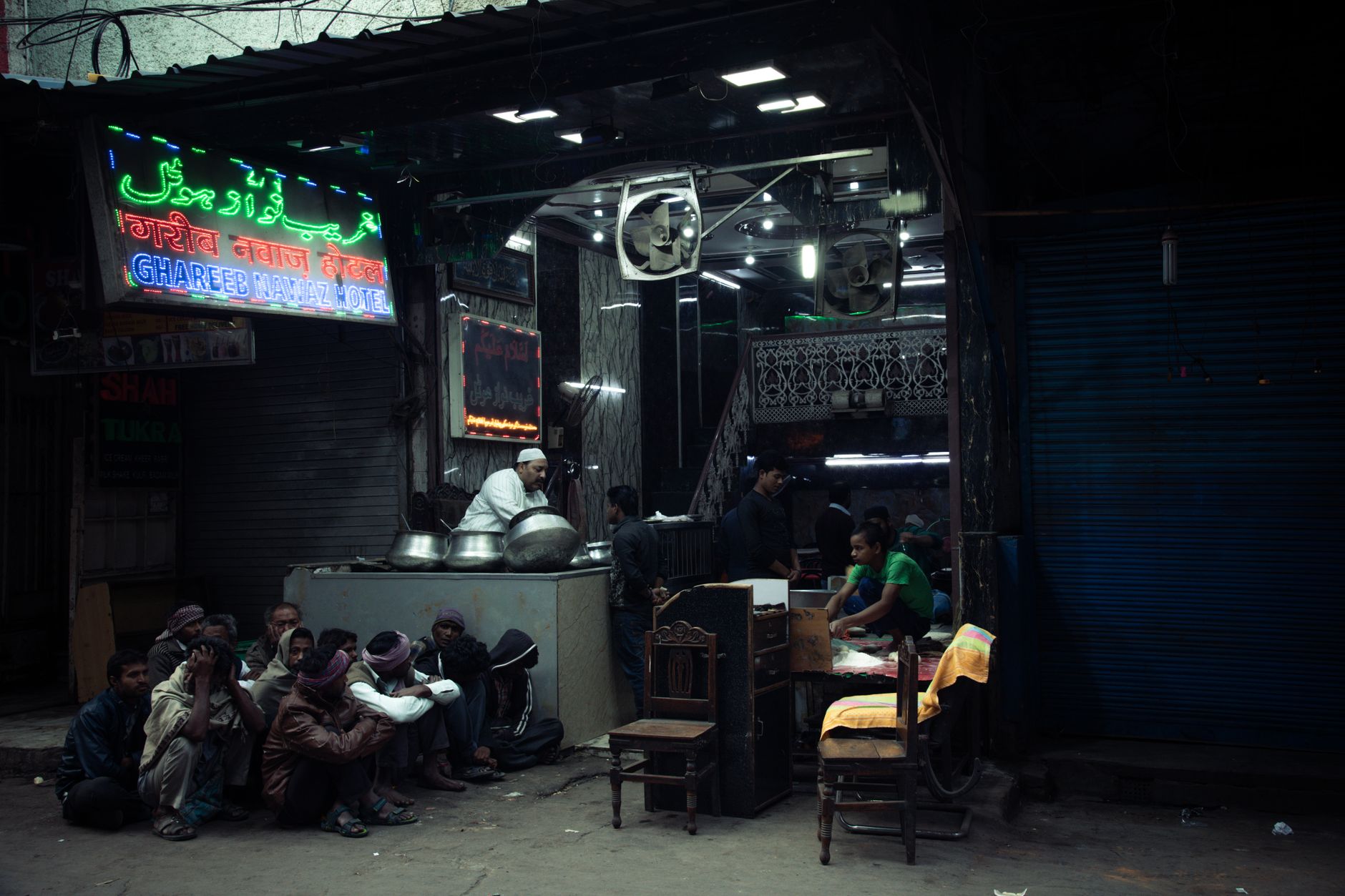
Restaurants
The city's original nightlife district — 60-plus restaurants and bars grouped around three open pedestrian courtyards.
Details →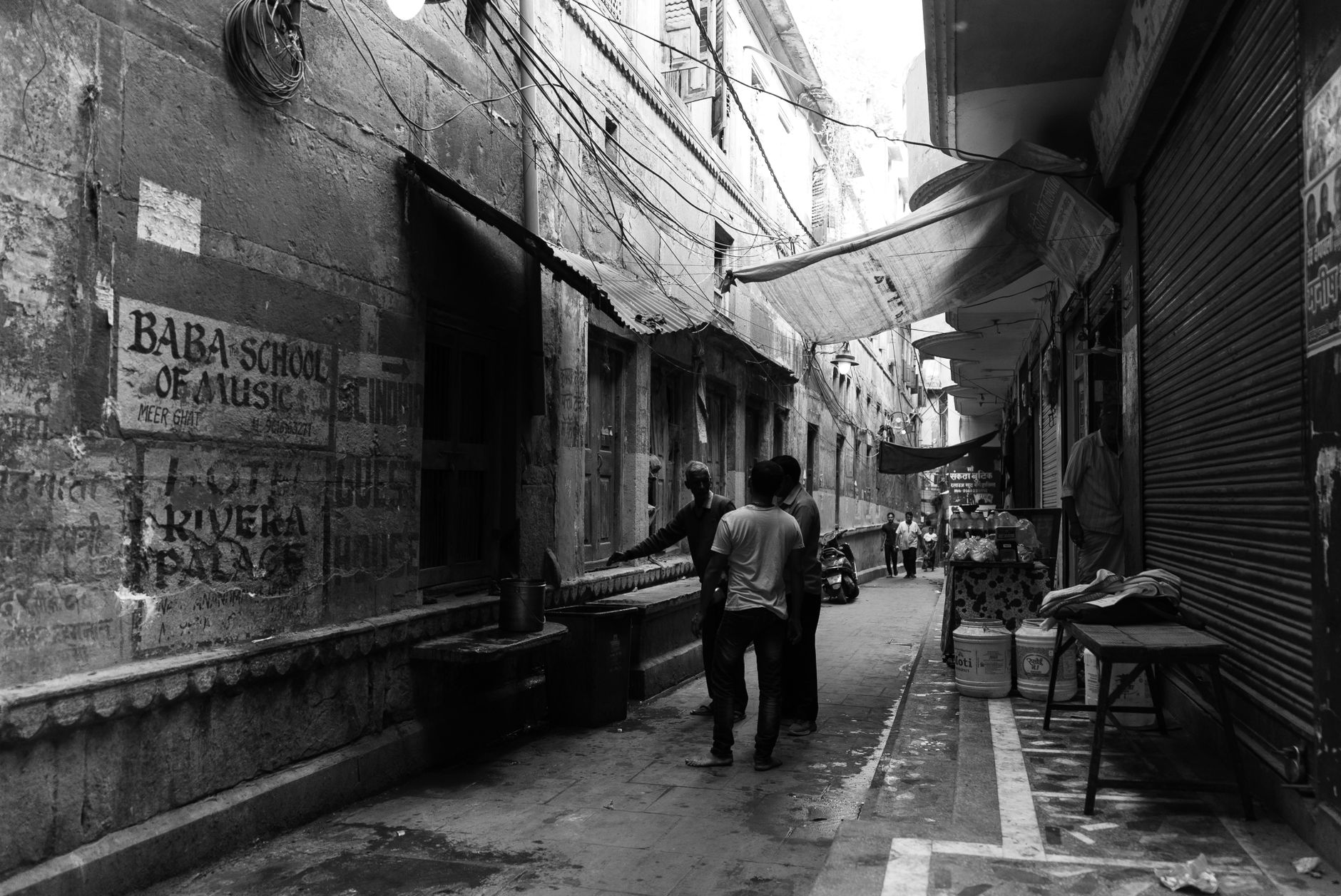
Street Markets
Old Gurgaon's chaotic wholesale market for spices, brass, fabric and everything else the malls do not sell.
Details →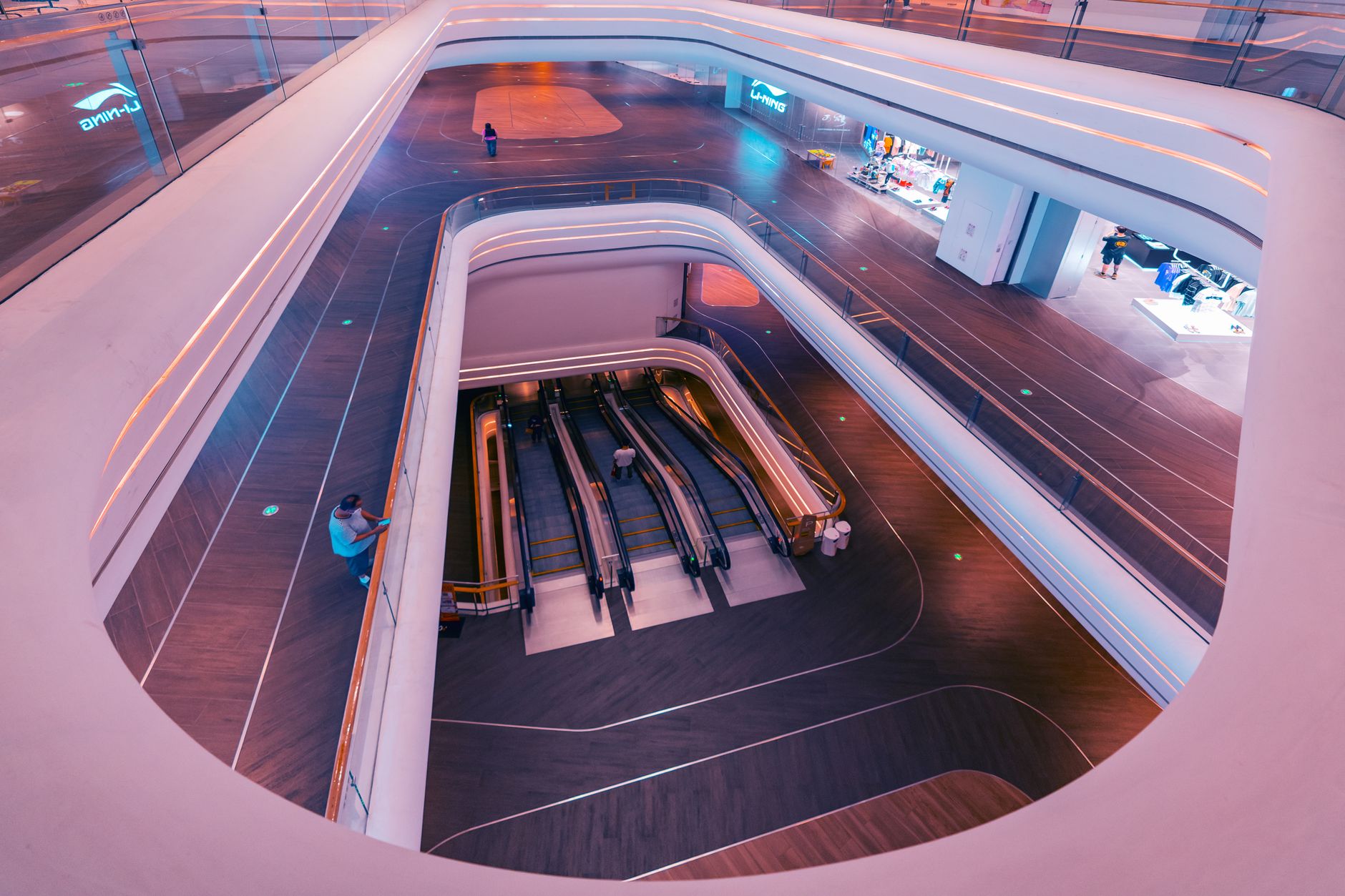
Malls High Streets
One of India's largest malls with 230 stores, a 7-screen PVR, ice rink and the flagship stores of most international brands.
Details →
Cultural Landmarks
The corporate heart of new Gurugram — 25 million sq ft of Grade-A office towers walkable via elevated skywalks.
Details →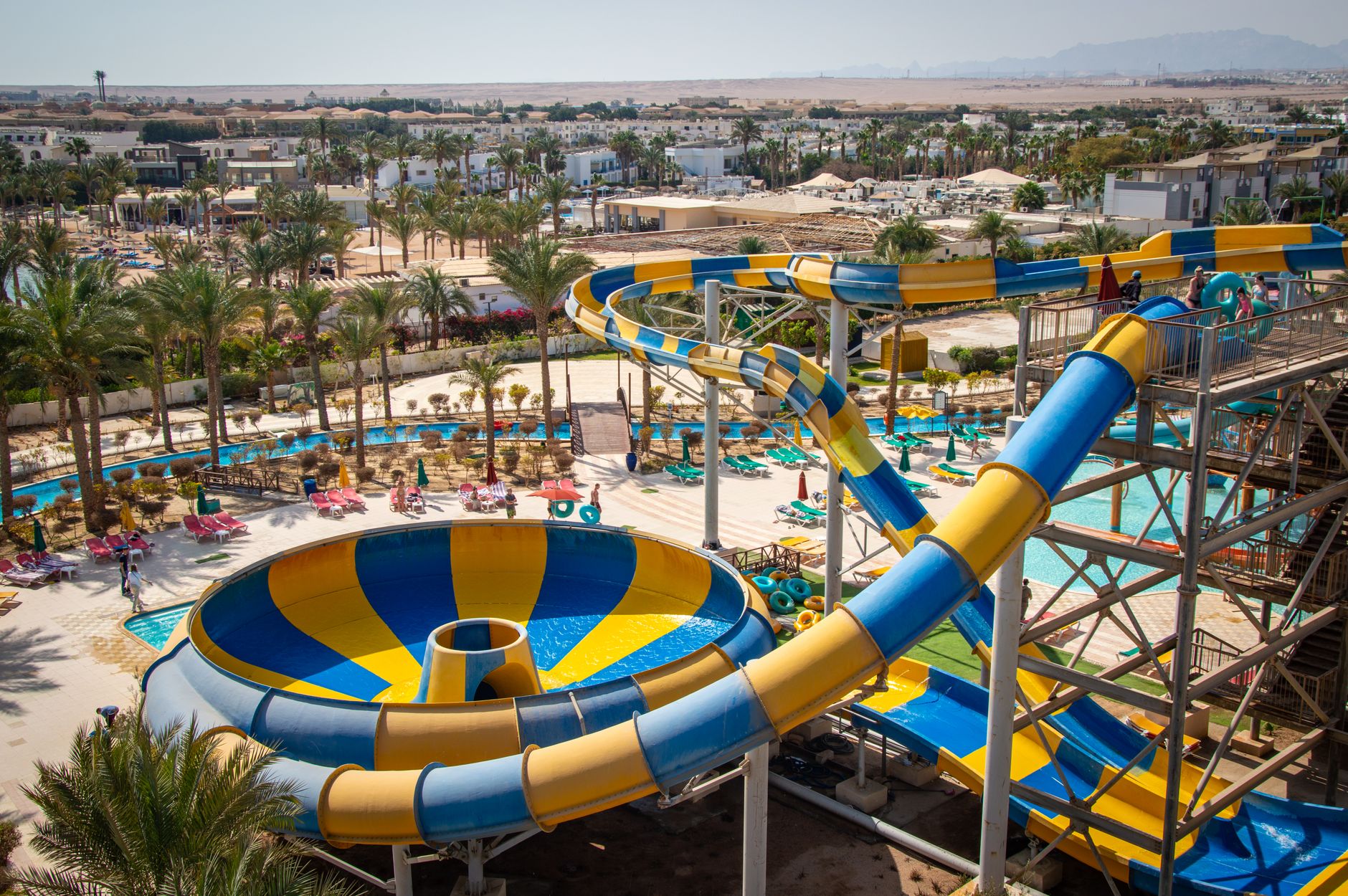
Theme Parks
Gurugram's biggest water park with 20 slides, a wave pool and India's original brand-name adventure rides.
Details →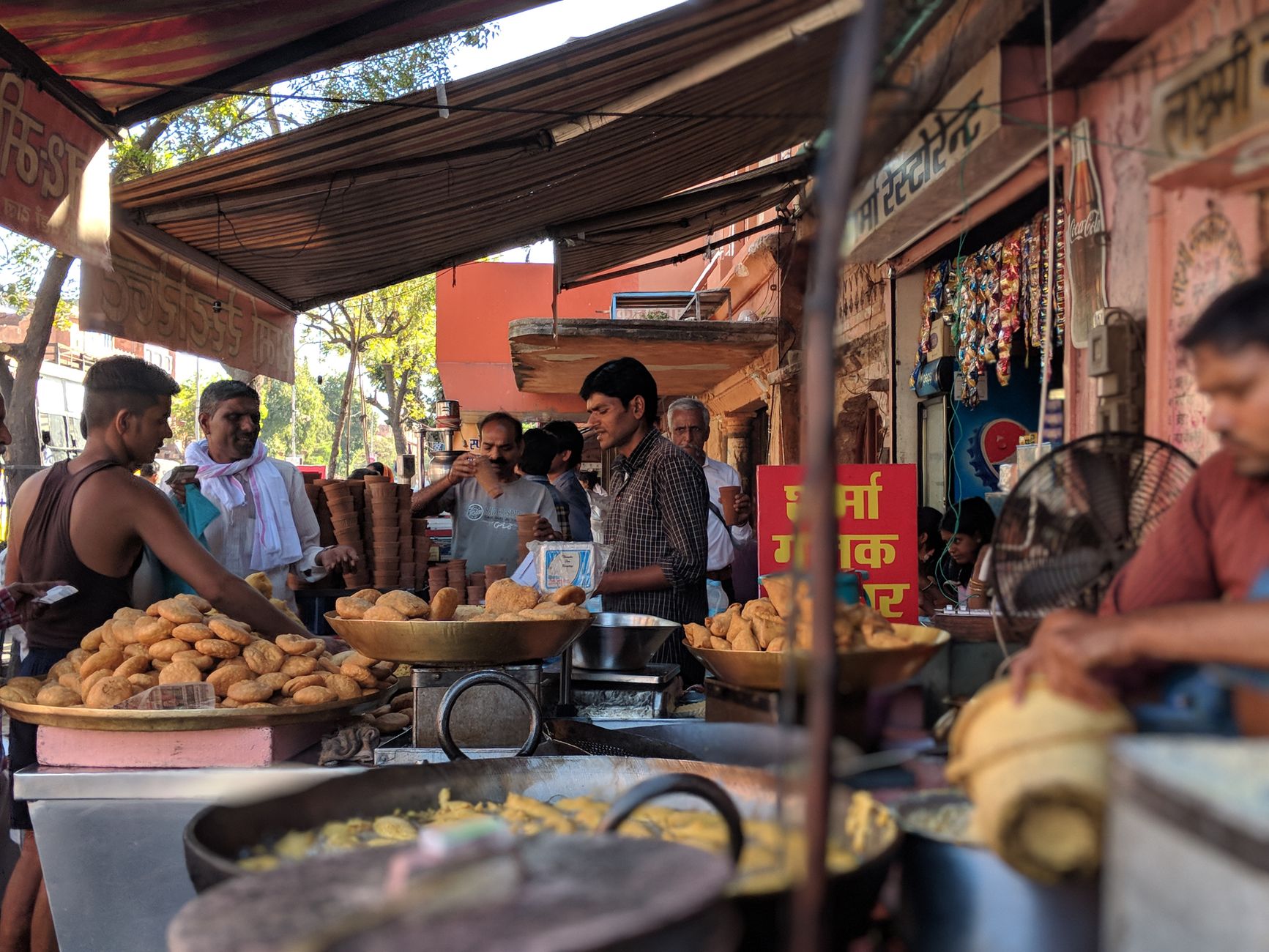
Street Food
An indoor food-street inside Kingdom of Dreams with 14 regional Indian food stalls under a painted-ceiling sky.
Details →
Spectator Sports
A 9-hole public golf course in Sector 43 with green fees a fraction of the private clubs on Golf Course Road.
Details →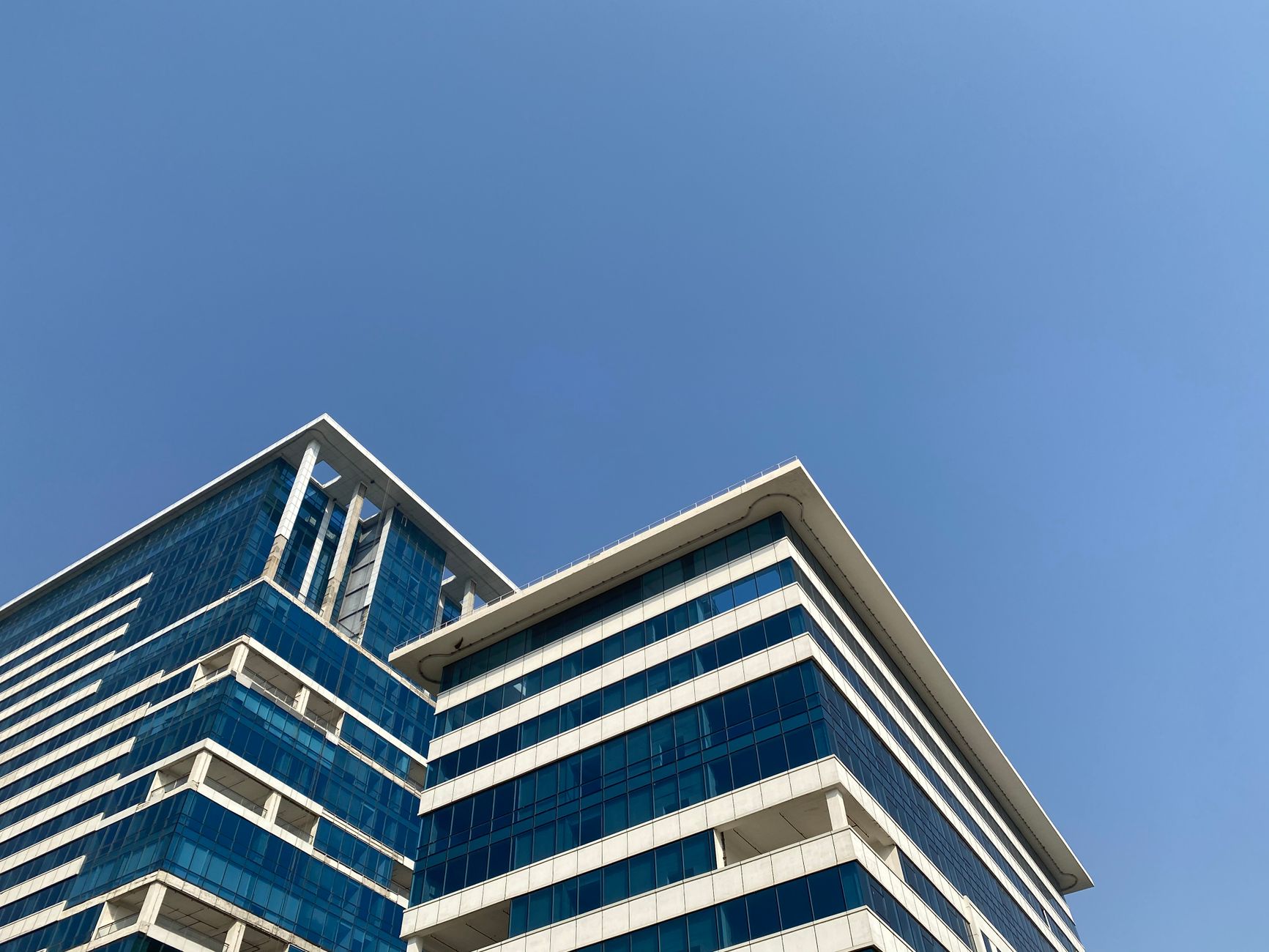
Spiritual Sites
The largest Sikh gurudwara in Gurugram, serving langar every day of the year and open to visitors of any faith.
Details →
Historic Sites
A 15th-century Rajput fort on the Delhi-Jaipur highway restored as a heritage hotel and open to day visitors.
Details →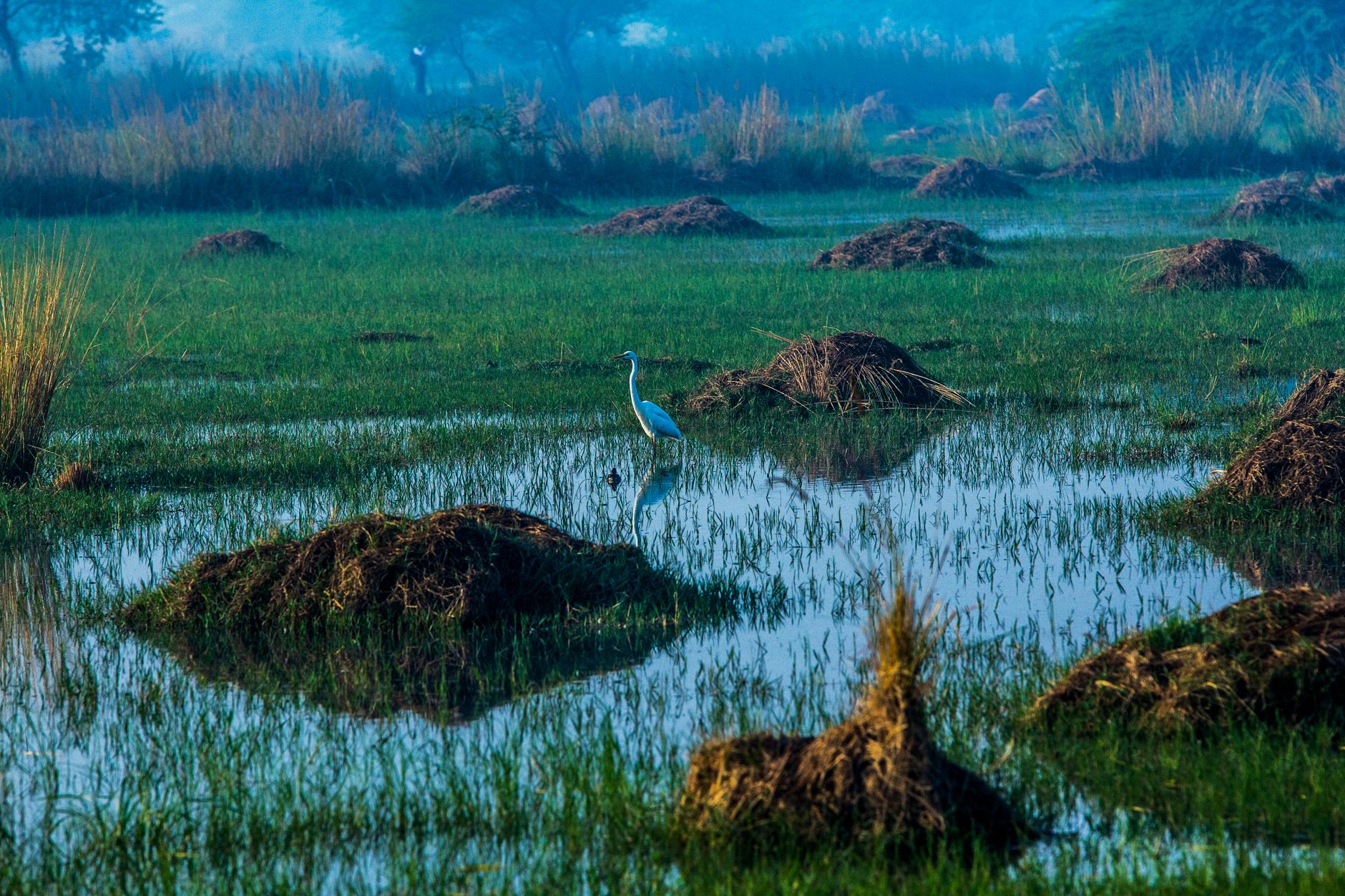
Springs Spas
Natural sulphur springs in the small hill town of Sohna, used medicinally for over 400 years.
Details →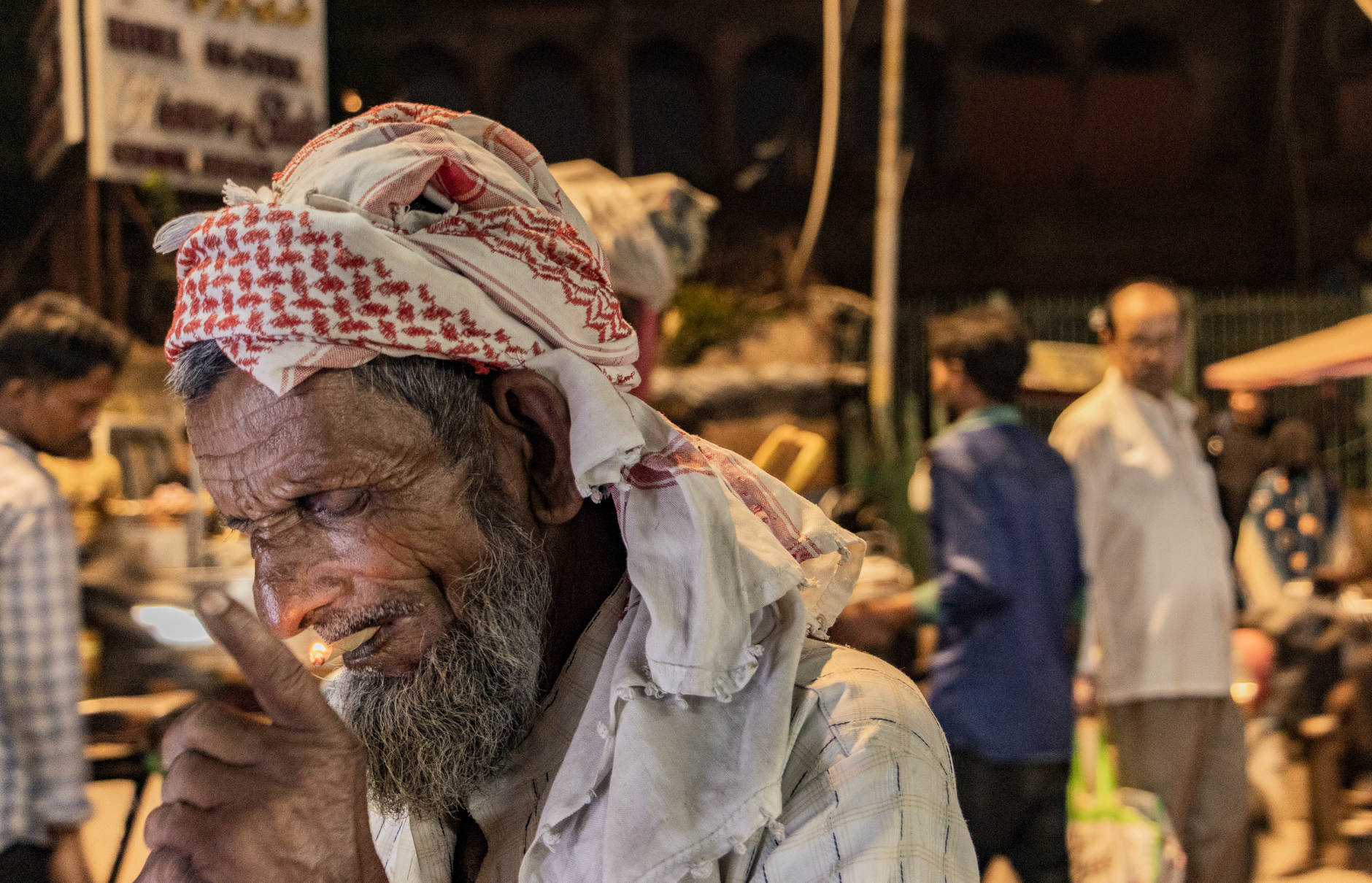
Spiritual Sites
The 14th-century Sufi shrine of Nizamuddin Auliya, alive every Thursday evening with qawwali singers.
Details →Doing good is the business: every booking through Stay Gurugram funds one verified tonne of carbon removal — same room, same price, no markup.
Start your searchMost people arrive in Gurugram expecting a business city with nothing to see, and leave surprised. The sights are real, but they are scattered: the serious museums sit in the older western sectors, the parks and lakes run along the Aravalli ridge to the south-west, the temples and bazaars cluster in Old Gurugram, and the day-trip forts lie one to three hours out on the Delhi–Jaipur highway. Planning around that geography is what turns a spare afternoon into a good one.
Broadly, the things to do here fall into four groups. The museums — the Museum of Folk and Tribal Art, the Heritage Transport Museum, Museo Camera and the Sanskriti museums — reward anyone with two or three hours to spare and cost almost nothing, most of them under ₹200 for a ticket. The green spaces — Aravalli Biodiversity Park, Leisure Valley Park, Damdama Lake and Sultanpur National Park — are best in the cooler months (October to March) and are genuinely pleasant early in the morning before the traffic builds. The eating and nightlife runs from the food streets of Old Gurugram and Sadar Bazaar to the restaurants of Sector 29, Cyber Hub and Golf Course Road. And the day trips — Neemrana Fort Palace, Alwar, Sariska, Qutub Minar, Sultanpur and the hot springs of Sohna — are what make Gurugram a good base rather than just a stopover.
October to March is the season: cool mornings, low humidity and pleasant evenings. April to June is punishing, with daytime temperatures past 40°C, so plan indoor stops — the museums and the malls — for the middle of the day and outdoors for the early morning and after dark. July to September brings the monsoon, when outdoor sights like Damdama Lake and the parks are at their greenest but the trails and lakeside roads flood fast; keep a wet-weather plan in reserve. Winter mornings in late November and December can be hazy, so schedule viewpoints and outdoor walks for the afternoon once the air clears.
Almost nothing worth seeing is walkable from the glass towers. The Yellow Line metro is the fastest way to cover ground without traffic, and it puts you within an auto ride of the Old Gurugram sights and Sector 14. For the ridge, the parks and the day trips you need a car or a booked cab, and for the Rajasthan towns the drive is long enough that an early start is essential. Autos and e-rickshaws handle the last kilometre cheaply in the older sectors. Build in buffer time between stops — the 9am–11am and 6pm–8pm windows can double any journey.
With a single free afternoon, take the museum route: one collection in Sector 14 or Sector 43, then lunch in Sector 29. With a full spare day, pair a morning on the Aravalli trails with an afternoon in Old Gurugram and dinner on Golf Course Road. With a weekend, the Neemrana day trip and the Sohna hot springs are the two easiest wins, both reachable on a half-day. And if you are here with children, the mix of parks, the transport museum and the malls keeps a family day moving without much planning.
Most museums charge under ₹200 per person, parks and the ridge trails are free, and a cab across the city for a full day runs ₹1,500–₹2,500. A comfortable day of two or three stops, a meal and transport usually lands between ₹1,000 and ₹2,500 per person.
Partly. The metro plus an auto works for Sector 14, Old Gurugram and Sector 29. The Aravalli parks, Damdama Lake and every day trip out of the city need a car or a booked cab.
The Heritage Transport Museum, Leisure Valley Park, Sultanpur National Park and the family-friendly malls are the easiest wins. The smaller folk-art museums are fascinating but have little to hold very young children.
Keep your plans indoors: the museums, the malls and the art trails are the reliable options when the monsoon roads flood. Outdoor sights like Damdama Lake are best left for a drier day.
The museums sit in the older western sectors, the parks and lakes run along the Aravalli ridge to the south-west, and the temples and bazaars cluster in Old Gurugram. Grouping your stops by area makes better use of a spare afternoon.
Most of the museums cost almost nothing, generally under ₹200 for a ticket. They reward anyone with two or three hours to spare.
The wetland draws Siberian cranes, flamingos and many other bird species between October and March. Plan your visit in those months for the best birding.
Sector 29 Market is the city's original nightlife district, with restaurants and bars grouped around open pedestrian courtyards. Cyber Hub in Cyber City is another open-air food-and-drink plaza popular after work.
Neemrana Fort Palace, a restored 15th-century Rajput fort on the Delhi-Jaipur highway, is open to day visitors. The day-trip forts generally lie one to three hours out on that highway.