
The honest split: card first, cash where it must be
A foreign Visa or Mastercard works reliably at hotels above ₹7607 a night, chain restaurants, malls, supermarkets, pharmacies, chain cafés, cinemas, most sit-down restaurants at CyberHub and Sector 29, and every mid-to-upscale bar. Contactless taps work at most of these; chip-and-PIN at the rest. Amex has narrower acceptance — hotels yes, many restaurants no. Discover and JCB are rarely accepted. Assume your primary Visa or Mastercard handles 60-70% of trip spend by value.
Cash handles the rest. Autorickshaws, small restaurants under ₹571 a meal, street food, markets, temple donations, laundry, small pharmacies, tips, and the occasional card-machine failure at an otherwise card-accepting place. Withdraw ₹19018-₹28526 equivalent from an airport ATM on arrival and top up mid-week. Do not try to cover a whole two-week trip in one withdrawal; carrying ₹57053 in cash creates its own problems, and Indian ATMs cap most single withdrawals at ₹19018-₹23772 anyway.
UPI, and why it is closed to you
UPI is the QR-code payment system that runs most of India's under-₹951 economy. Every autorickshaw driver, vegetable seller, chai stall and small shop has a QR code. Locals scan it, tap in the amount, and the money moves instantly from bank account to bank account with no fee. It is the single biggest change in Indian daily commerce over the last five years, and for a visitor it is essentially unavailable. UPI requires an Indian bank account, an Indian mobile number linked to that account, and an app like Google Pay India, PhonePe or Paytm activated on an Indian SIM.
Recent changes let some foreign visitors from a handful of countries get a temporary UPI wallet through partnered apps, but the setup is fiddly, the limits are low, and most visitors will not bother. The workaround is cash for the UPI economy: when a chai seller shows you a QR code and you have no way to scan it, offer the equivalent in rupees. They will always take it. It is not friction they mind — it is being handed a foreign note or a card they cannot process.
ATMs: which to trust, which fees to expect
Use ATMs attached to major bank branches — HDFC, ICICI, Axis, SBI, Kotak, Yes Bank — and prefer those inside bank premises during business hours where security is present. Avoid standalone ATMs in small shops, hotels with hand-lettered ATM signs, and anywhere the machine looks physically tampered with. Card skimming exists in Gurugram, though at low rates in the bank-branded machines. Cover the keypad when you enter your PIN.
Expect ₹285-₹571 in local fees per foreign-card withdrawal, plus whatever your home bank charges (often another 1-3% on the exchange). To minimise, withdraw larger amounts less often — the local per-transaction limit is usually ₹23772 but sometimes ₹28526 at HDFC. Refuse the "dynamic currency conversion" screen that offers to bill you in dollars; the rate it uses is 5-7% worse than your card's own. Always choose "charge in local currency" (rupees) at the ATM and at every card terminal that offers the choice.
Notes, coins and the change problem
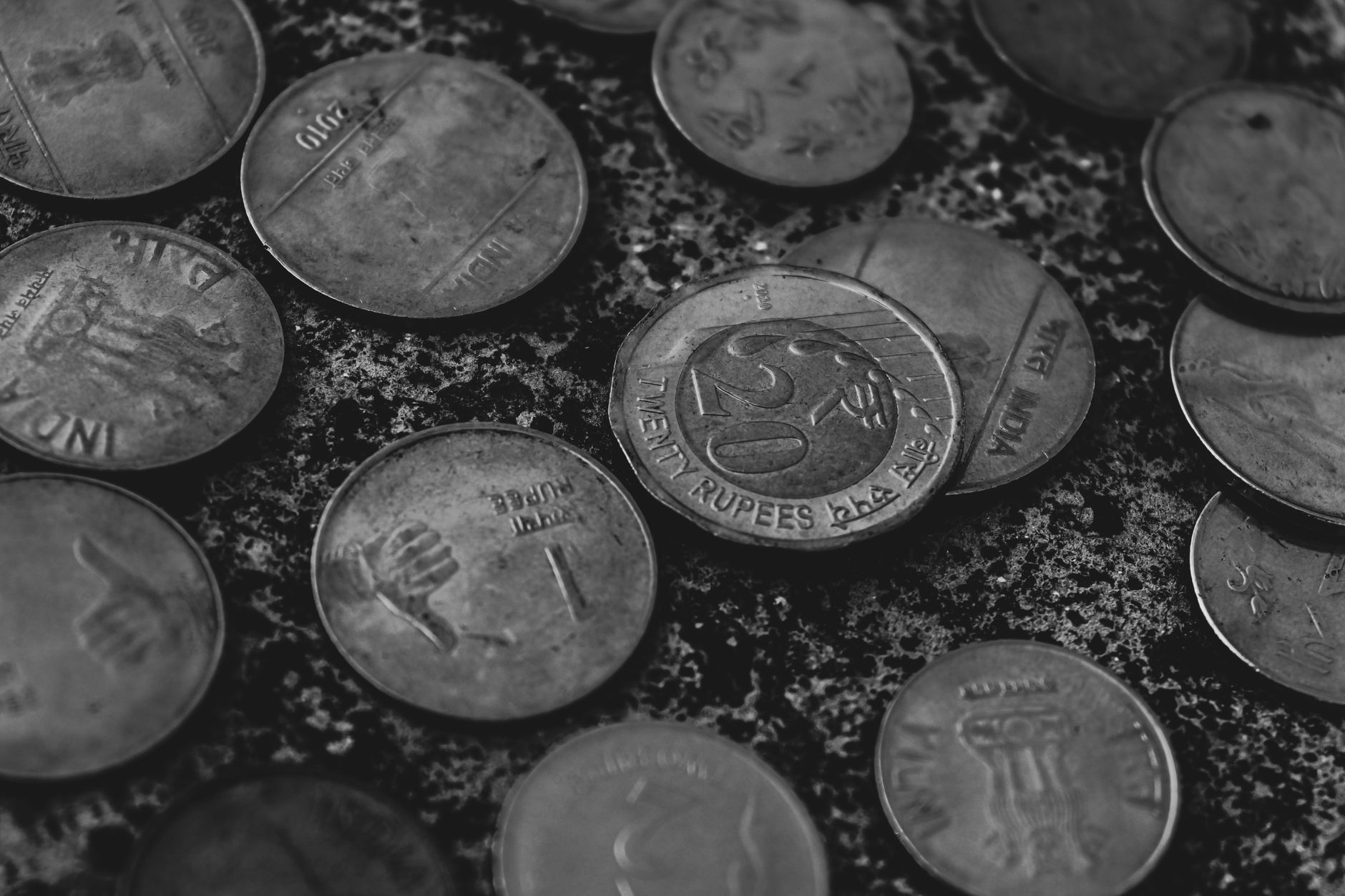
Indian currency comes in ₹500, ₹200, ₹100, ₹50, ₹20 and ₹10 notes, roughly ₹571, ₹228, ₹114, ₹57, ₹23 and ₹11. Coins go down to ₹1. The ₹2,000 note has been withdrawn from circulation. The single most important habit is keeping a stock of ₹100 and ₹200 notes. Handing a ₹500 note for a ₹40 rickshaw ride starts a hunt for change that eats 10 minutes and sometimes ends with the driver going to a shop to break it while you wait.
Break big notes at bigger places: pay for coffee at a chain café with a ₹500, buy something small at a supermarket, or ask your hotel to break a note before you head out. Never assume small vendors carry change. If a shopkeeper cannot give change, they will sometimes offer sweets, chewing gum or a small item to make up the balance; this is normal and not a scam. Coins are useful for exact-change temple donations and public toilets; keep a handful in a pocket.
Currency exchange: airport, hotel, or independent?
Airport money changers at IGI Terminal 3 offer rates typically 1-2% off interbank, which is fine for an initial ₹9509-₹14263 to cover the first day. Hotel front desks change money at rates 3-5% worse than the airport; use only for emergencies. Independent exchange bureaus in markets like Karol Bagh in Delhi offer the best rates, sometimes matching interbank, but require you to travel there and carry cash back. For a first-time visitor the effort-to-saving ratio does not work.
The best rate you can actually access is usually your own bank card at a bank ATM: no exchange spread, just the interbank rate plus fees. This is why the standard advice — bring ₹19018-₹28526 in USD as a backup, take the rest via ATM — remains correct for Gurugram in 2026. Do not exchange more than you will actually use; changing rupees back to USD at the end of the trip loses another 3-5%, and the airport departure changers are the worst rates of all.
Tipping cash economy and rounding conventions
Tipping is a cash economy here regardless of how you paid the bill. Even in a hotel restaurant where the meal went on a card, a ₹190 note left in the folder reaches the server; a card tip is more variable. The same is true for hotel housekeeping, spa therapists and doormen — always cash, always small denominations. Keep a dedicated pocket or envelope for tipping cash so you are not fishing large notes out at the wrong moment.
Rounding conventions matter socially. At a chai stall where the price is ₹15 and you hand ₹20, saying "keep it" ("rakh lo") is warmer than waiting for the ₹5 back. At the same stall with a ₹500 note you would never wave off ₹485 in change; the scale is different. Autorickshaw fares are almost always rounded up to the nearest ₹10 or ₹20 by convention — a ₹87 metered fare becomes ₹90 or ₹100 depending on how much luggage you had and how far the driver actually went.
Scams and small frauds to actually watch for
The card-machine swap is the classic one: a waiter takes your card away to a distant terminal and skims it. In Gurugram in 2026 this is rare in mid-to-upscale restaurants where terminals are wireless and brought to the table, but in older places insist the terminal comes to you. Never let a card leave your sight. Cover the PIN. If a terminal fails and the staff ask you to try three times, stop and ask them to check whether the earlier attempts went through before you re-enter your PIN.
The ATM shoulder-surf and the "the machine ate my card, let me help" scam happen occasionally at less-monitored ATMs; use only bank-branch machines to avoid them. Overcharging by autorickshaw and small-shop rounding are not really scams, just visitor pricing, and Uber solves the first one entirely. Fake currency notes are uncommon since the 2016 note change but not zero; if a note feels flimsy, folded strangely or looks colour-off compared to another of the same denomination, hand it back and ask for another.
Good to know
Questions, answered
Can I use Apple Pay or Google Pay in Gurugram?
Apple Pay and Google Pay backed by a foreign card work at contactless-enabled terminals in hotels, malls and chain restaurants — probably 50-60% of card-accepting places. Google Pay India (the UPI version) is a separate product requiring an Indian bank account. Do not confuse the two: your foreign Google Pay wallet cannot scan Indian UPI QR codes.
How much cash should I carry each day?
About ₹2853-₹4754 equivalent (₹2,500-4,000) covers a normal day of taxis, snacks, tips and small purchases even when you are also using a card for larger spending. Keep it split between two pockets or a small pouch so you are never opening a wallet full of notes in public. Top up every two or three days rather than carrying a week's cash.
What if my card gets blocked?
Call the number on the back of the card (from a hotel phone if your mobile roaming has failed) and get it unblocked; most banks resolve this in five minutes with security questions. In the meantime, use your backup card — always travel with two cards from different issuers — or the USD cash you brought as reserve. This is why one card, no cash and no backup is a bad plan for India.
Doing good is the business: every booking through Stay Gurugram funds one verified tonne of carbon removal — same room, same price, no markup.
Start your search