
What the monsoon actually does to Gurugram
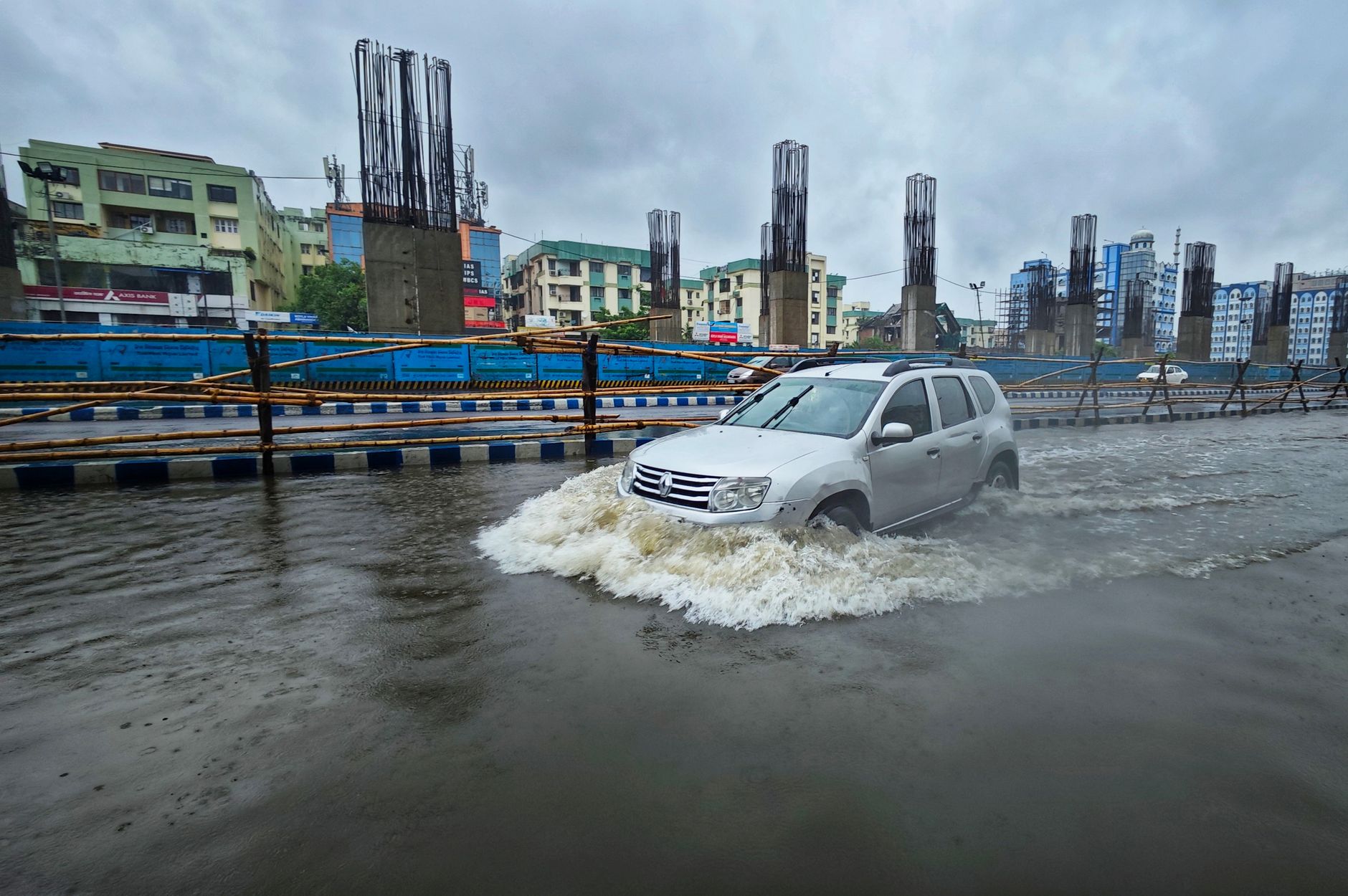
The southwest monsoon lands here around the last week of June and pulls out by mid-September. Delhi's average July-August rainfall is around 250mm a month, but Gurugram absorbs it worse than Delhi because the drainage in Sectors 29 through 58 was built for a much smaller city. A 60mm afternoon downpour will shut the Hero Honda Chowk underpass, the Rajiv Chowk flyover approaches and stretches of NH-48 near IFFCO Chowk within an hour. Cyber City stays functional because it drains west toward the Aravalli spine; Golf Course Road turns into a slow-moving river between Sector 42 and Sector 54.
Temperatures sit at 28-33C with humidity above 80%. It is not the tropical monsoon of Mumbai or Goa — you get long grey afternoons broken by two-hour cloudbursts, then muggy sun. Mosquitoes are worst in August after standing water sits for a week. Dengue cases climb every September; the municipal corporation runs fogging drives but they are patchy. If you are here for work you will lose one commute a week to waterlogging. If you are here for a wedding you will need a backup indoor venue in writing.
Where to stay so a downpour does not trap you
Cyber City and Udyog Vihar sit on higher ground and connect to the airport by the Dwarka Expressway, which drains faster than NH-48. The Aerocity cluster on the Delhi side of the border is the safest bet if you have an early flight — you can walk to the terminals in 15 minutes if a taxi cancels. Business-tier towers near DLF Cyber Hub rarely lose power because they run on captive diesel generation. Expect ₹10460-₹16165 a night in monsoon, down from ₹16165-₹24723 in peak winter.
Avoid ground-floor rooms in Old Gurugram and anywhere south of Sohna Road below the fifth floor — seepage is standard, mould smells linger, and the lifts in older buildings sometimes go out for a day. Golf Course Extension Road hotels look glossy on the booking pages but the approach roads through Sector 65-67 flood reliably. If you must stay there, pick a property with a covered driveway and a shuttle to the metro at Sector 55-56, which is elevated and keeps running.
What monsoon rates actually look like
Five-star towers on Golf Course Road that ask ₹26625-₹36133 in January sit at ₹14739-₹20919 through July and August. Mid-tier business hotels on Sohna Road drop from ₹9033-₹12361 to ₹5705-₹8082. Serviced apartments in DLF Phase 2 and Phase 3, which normally lease by the month, open up on nightly terms at ₹6656-₹10460. The gap between rack rate and negotiated rate widens in monsoon — email the sales desk directly and quote a competitor. A 20% discount off the published number is standard; 30% is achievable on a three-night stay.
The exception is the second week of August around Independence Day, when domestic corporate travel spikes and the Delhi-NCR conference circuit runs its second-half kickoffs. Rates jump back near winter levels for four or five days. Raksha Bandhan and Janmashtami push family bookings up too, especially at properties with pools and kids' clubs. If you can shift your dates one week either side of those festivals you save ₹3804-₹5705 a night on the same room.
What stays open and what quietly shuts
The malls run through monsoon on full schedule — Ambience, DLF CyberHub, MGF Metropolitan, Airia — because they are the city's default wet-weather living rooms. Kingdom of Dreams on Auditorium Complex Road keeps its evening shows. Cinemas at Cyber Hub and Ambience run late shows even on the worst nights. The Aravalli Biodiversity Park closes trails after heavy rain because of leopard sightings pushed down by flooding. Damdama Lake looks its best in August but the road from Sohna gets patchy and boat operators sometimes suspend rides after storms.
Rooftop bars close or move indoors — the Qla-style courtyards in Mehrauli and the terraces at Cyber Hub tarp up by mid-June. Kingdom of Dreams' outdoor food court dies. Golf courses at ITC Classic and DLF stay open between showers but tee times are unreliable; call the same morning. Sultanpur National Park, 15km west, is actually at its best in July-September for resident birds and green cover, though migratory season is October onward. Neemrana and Sariska day trips work fine — the Aravalli forest looks unrecognisable when it is green.
Getting around when the roads give up
The Rapid Metro and the Yellow Line to Delhi are your insurance policy. Both are elevated and neither has ever stopped for rain. If you are working in Cyber City and staying in DLF Phase 3, walk to Sikanderpur or the Cyber City station and skip the cab entirely on bad days. Uber and Ola surge 2.5-3x during a downpour and drivers cancel repeatedly because they do not want to enter flooded underpasses. Auto-rickshaws will not run through standing water — do not argue, they are protecting their engines.
For the airport, budget 90 minutes instead of the usual 35-45 during any active rain. The NH-48 stretch past Shankar Chowk and the Dwarka Expressway both flood at known low points. A pre-booked airport taxi from your hotel costs ₹1712-₹2377 and the driver knows the alternate route through Palam Vihar. Do not rely on same-day metro-plus-airport-express combinations in July or August; one delay cascades. If you have a flight before 8am, sleep at Aerocity across the border for the night.
What to eat and drink in monsoon
This is the season for pakoras, chai and haleem. Sadar Bazaar's old food streets run hot oil all afternoon and the crowd is local, not touristy. Kingdom of Dreams' Culture Gully food court does regional thalis that suit grey weather — Rajasthani dal-baati, Awadhi biryani, Bengali fish. The Cyber Hub cluster keeps every cuisine you know running under cover, and Sector 29's pub strip works because it is compact enough to walk between venues under one umbrella. Corn and roasted chana carts appear on every second corner from July.
Skip street chaat and cut fruit through August and September — the water table is contaminated and gastro admissions spike at Medanta and Fortis. Stick to bottled water, and if you are eating golgappa insist on packaged mineral water for the paani. Mangoes finish by mid-July; do not pay premium prices in August for the last dasheri, they are pulpy. This is monsoon menu season at the five-stars — set menus at ₹3328-₹5230 built around jamun, corn, ginger and hot desserts. Book two days ahead on weekends.
Packing and health, honestly
Bring one pair of shoes you do not care about — canvas or rubber, not leather. Waterproof phone pouches are ₹285 at any market and worth it. An umbrella is more useful than a raincoat because the heat means you sweat through anything waterproof in ten minutes. Insect repellent with DEET, not the citronella tourist versions, because dengue mosquitoes bite by day. If you take chronic medication bring extra — pharmacy runs get complicated when your neighbourhood is underwater. Cash in small notes for auto drivers who cannot process UPI in a downpour when networks drop.
Air quality is genuinely at its best in these months — the rain scrubs the sky and AQI drops to 60-90, versus 300-plus in November. If you have asthma or you are travelling with older parents, monsoon is a better window than winter despite the mould risk. Just keep the hotel AC on dehumidify mode overnight and do not open the balcony doors. A course of probiotics from day one is not paranoid; it is what returning residents do after a summer away.
Good to know
Questions, answered
Is it worth visiting Gurugram in August at all?
Yes if you are here for business, a wedding or family — rooms are 30-40% cheaper, malls and restaurants run full schedule, and the air is breathable. Skip it only if your trip depends on outdoor activity like golf, cycling in the Aravallis, or day trips to Sariska where trails close after heavy rain.
Which week has the worst flooding?
Historically the second and third weeks of August, when the monsoon trough sits over the NCR and 100mm-plus days cluster. The Hero Honda Chowk underpass, IFFCO Chowk approaches and Sector 55-56 stretch of Golf Course Road are the reliable failure points. Watch the weather forecast three days ahead and shift meetings to video.
Are the pools at hotels open in monsoon?
Yes, all major hotel pools run year-round and most are heated or partially covered. Rooftop pools sometimes close for two or three hours around active storms but open again the same evening. This is actually the quietest time to use them — occupancy drops and you often have the deck to yourself on weekday afternoons.
How bad is dengue really?
It peaks in September and early October, not July. Gurugram reports 400-900 confirmed cases in a bad year across a population of 1.5 million, so the individual risk is low but real. Use daytime repellent, avoid dawn and dusk near standing water, and if you get a sudden fever above 39C get a platelet count within 24 hours.
Doing good is the business: every booking through Stay Gurugram funds one verified tonne of carbon removal — same room, same price, no markup.
Start your search