
What Sariska is and where it sits
Sariska Tiger Reserve is an 880-square-kilometre protected area in the Aravalli hills of Alwar district, Rajasthan — the closest Project Tiger reserve to Delhi-NCR and a very different kind of forest to Ranthambore or Corbett. The landscape is dry deciduous, cut by dry riverbeds and rocky ridges, and the reserve is famous less for guaranteed tiger sightings (they are harder here than at Ranthambore) than for the sambar, nilgai, leopard and bird populations, plus the ruined temples and the Kankwari Fort inside the buffer zone.
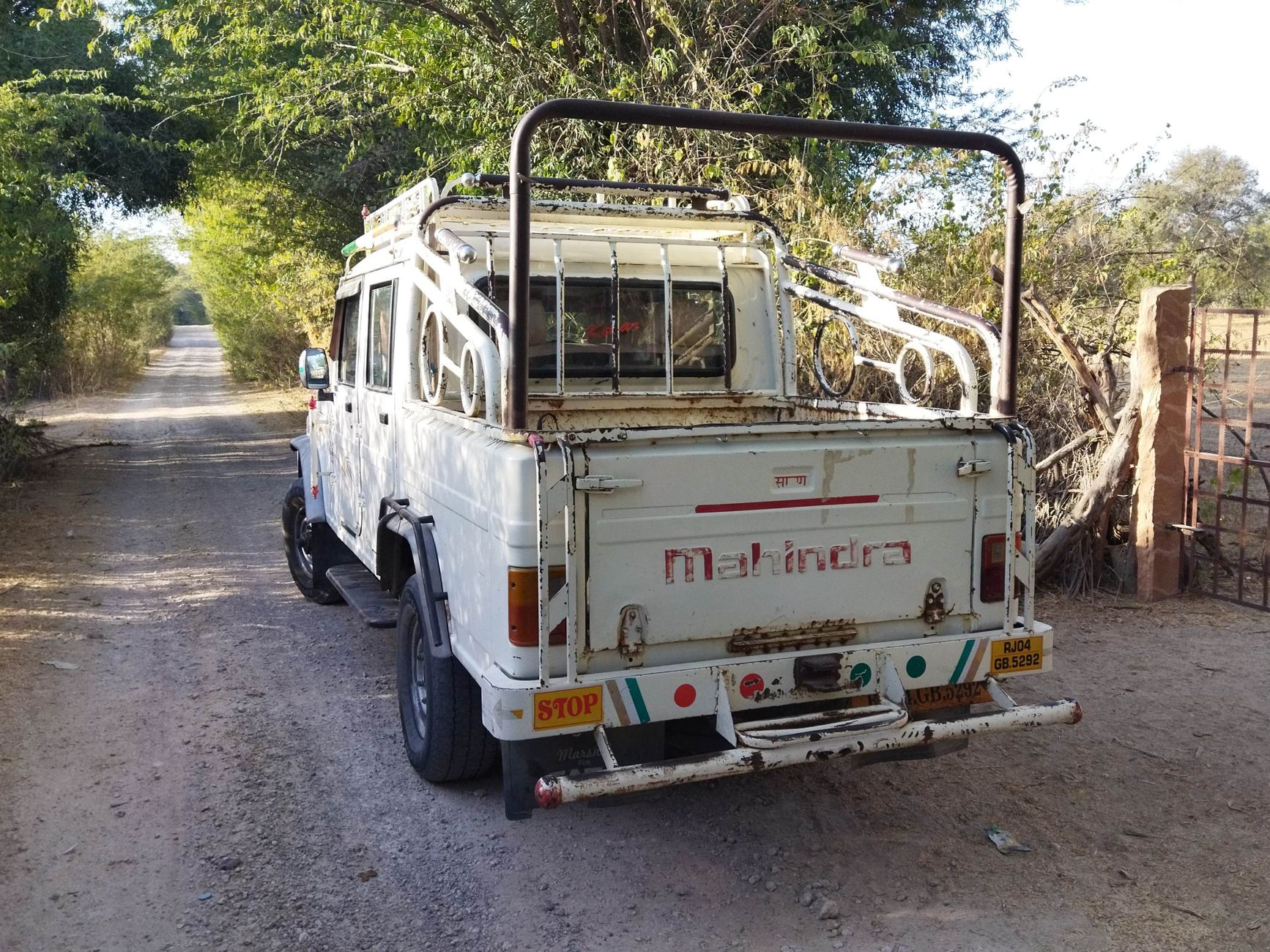
From Gurugram the main entry gate at Sariska town is 200 km south-west, 3.5-4 hours by car via NH-48 and then east through Alwar. The second gate at Tehla, on the eastern side, is 40 km further and adds an hour. Safaris run in two slots — morning (6-9.30am in summer, 7-10.30am in winter) and afternoon (2.30-5.30pm and 3-6pm respectively) — six days a week, closed Tuesdays and during the July-September monsoon shutdown.
The three basing options
Option one: stay in Alwar city, 35 km from the main gate. Room rates run ₹2853-₹10460, you get a proper town with restaurants and bazaar, and the drive to the gate is 45-60 minutes each way. This works if you want one morning safari and a broader Alwar-Sariska-Bhangarh weekend. It does not work if you want early access for the best safari slots, because you leave the hotel at 4.30am to make a 6am departure.
Option two: stay in a reserve-edge lodge on the Alwar-Sariska road within 3-8 km of the gate. Prices sit at ₹7607-₹19018 including breakfast, and increasingly bundle safari transfers and permits. This is the standard choice for wildlife-focused visitors. Option three: stay at Tehla village on the eastern side, cheaper at ₹4754-₹9509 in the small handful of homestays and eco-lodges, less busy at the gate, and closer to Kankwari Fort — but a further drive from Gurugram and thinner amenities.
What a night costs and what it buys
₹4754-₹7607 gets you a plain but functional room in a small resort near the main gate, breakfast usually included. ₹8558-₹13312 gets you a proper wildlife lodge with a pool, a restaurant, guide services and safari-booking help — this is the sensible middle. ₹15214-₹24723 buys the boutique end: a handful of properties with well-designed rooms, garden setting, and full-service naturalist programmes. Above ₹26625 you are into the specialist safari-lodge category where the price includes all meals, two safaris a day and guided nature walks.
The value calculation shifts if you want two safaris. The mid-range lodges will book two safaris across two mornings (recommended for sighting odds) as part of a two-night package for ₹23772-₹38035 all-in per couple including permits and gypsy hire. Doing the same from an Alwar hotel means ₹20919-₹30428 in room costs plus ₹9509-₹13312 in permits and ₹7607-₹13312 in gypsy hire, with worse logistics. Once you factor in the 4.30am start from Alwar, the lodges pay for themselves.
Booking safaris and how many to do
Permits are booked through the Rajasthan Forest Department portal and open 60 days in advance. Weekend slots in November-February sell out within 48 hours of opening; weekday slots stay available for weeks. Each safari runs 3-3.5 hours in a shared six-person gypsy ("canter") at ₹1426-₹2377 per seat, or in a private gypsy at ₹8082-₹11411 total including guide and driver. The private option is worth it for two or three travellers wanting flexibility; the shared canter is fine for a single visitor.
Two safaris is the honest minimum for a real chance of a tiger sighting, which sits at 25-40% per safari in Sariska depending on season. Three safaris across a two-night stay pushes the odds to 60-70%. One safari is worth doing anyway for the landscape, the bird life and the ruined temples inside the park, but do not fly out expecting a tiger from a single run — the reserve is genuinely wild and the population is small (currently around 25-30 adult tigers).
Best times of year
October and November are pleasant temperature-wise but sightings are lower because water is still available across the reserve and animals disperse. December-February is cold at night (down to 5°C) but the mid-day safaris are comfortable and visibility through the leafless trees is at its best; this is the winter tourist peak and pricing reflects it. March-June is hot (35-45°C) but this is when sightings peak, because animals concentrate at the remaining water bodies. Serious wildlife visitors come in April-May despite the heat.
July-September the park is closed for the monsoon. This is when the lodges either shut or run at 40-60% off for domestic weekend traffic. Do not plan a Sariska trip in these months; if your dates are locked to that window, book Corbett or Bandhavgarh instead. October opens after the rains and is a soft-shoulder month with green landscape and decent availability but middling sighting odds.
Combining Sariska with other places
The obvious pairing is Neemrana one night, Sariska two nights: 100 km from Gurugram to Neemrana, 80 km from Neemrana to Sariska, 200 km back to Gurugram. Total driving 380 km across three days, doable in a private car with driver at ₹23772-₹33281 for the vehicle plus hotels. The alternative pairing is Alwar-Sariska-Bhangarh across two nights, with Sariska as the wildlife anchor and Bhangarh as an afternoon side trip.
For a longer trip, Sariska continues sensibly into Ranthambore (another 250 km south-east, 5 hours) for a serious tiger-focused week, or into Jaipur (155 km, 3 hours) for a Rajasthan combo. Do not try Sariska as a single-night stop — the drive kills the point. Two nights is the floor if you want any safaris; three nights is right if you want a real chance of tigers and time to see the Kankwari Fort and Neelkanth temples inside the reserve.
Straight answer on where to book
For a first Sariska trip, book two nights at a mid-range lodge on the Alwar-Sariska road, ₹9509-₹13312 a night, with a two-safari package. This is the setup with the best sighting odds per dollar and the least logistical friction. Add a Bhangarh visit on the afternoon of arrival day if the drive from Gurugram lands you in by 2pm.
For a budget trip, base in Alwar city at ₹3804-₹5705 a night, do one morning safari, spend the afternoon at Bhangarh, and drive back the next day. For a splurge, book the specialist safari lodge at ₹23772+ all-in and let them run the whole thing. Do not base in Gurugram or Delhi and try to day-trip Sariska; the 8-hour round-trip drive with a 3-hour safari in the middle is a bad day and you will miss the best sighting hours anyway.
Good to know
Questions, answered
How likely am I to see a tiger at Sariska?
Roughly 25-40% per safari on average, higher (50-60%) in April-June when water concentrates animals, lower (15-25%) in October-November. Two safaris raise cumulative odds to 45-65%, three to 60-75%. Sariska has 25-30 tigers across 880 sq km, meaning sightings are genuinely random rather than staged.
Is Sariska better than Ranthambore?
For tiger sightings, no — Ranthambore's population density and terrain make it easier. For accessibility from Delhi-NCR and for a quieter, less touristy experience with ruined temples and forts inside the reserve, yes. Sariska is 3.5 hours from Gurugram; Ranthambore is 6-7 hours. Combine both if you have the time.
Can I do Sariska as a day trip from Gurugram?
Technically possible but not worth it. You would leave Gurugram at 2am, drive 3.5 hours, do a morning safari, drive 3.5 hours back — 11 hours of driving and safari with no room to see Alwar, Bhangarh or the fort. Two nights is the minimum that makes the drive proportionate to what you get.
Doing good is the business: every booking through Stay Gurugram funds one verified tonne of carbon removal — same room, same price, no markup.
Start your search