
Day trips
Day trip to Mathura and Vrindavan from Gurugram
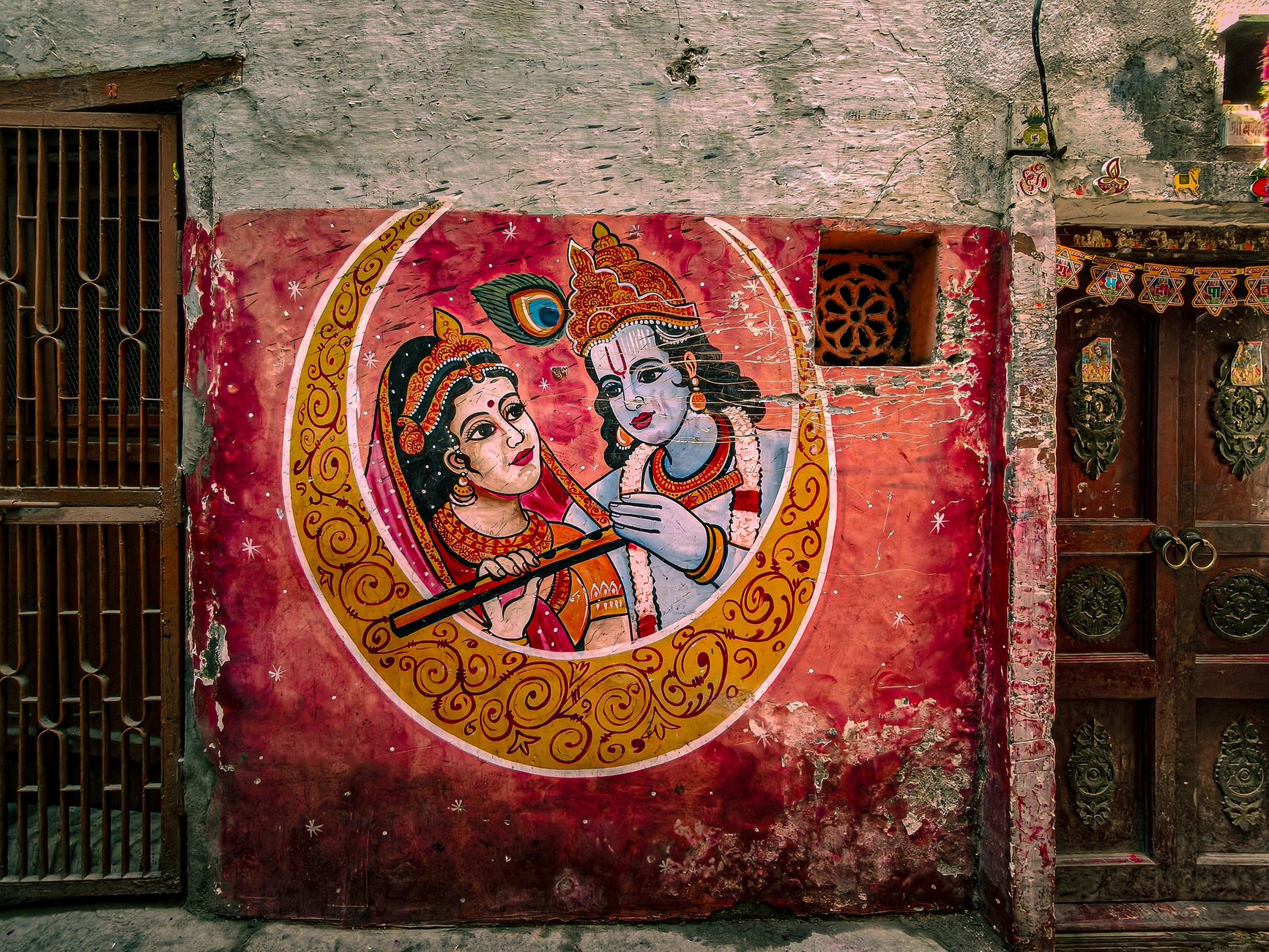
Krishna's birthplace and boyhood town, 150 km southeast — a devotional day trip that most business travellers overlook, and one of the more culturally serious options on the Gurugram menu.
How to get there
Drive 150 km on the Yamuna Expressway — same route as Agra, exit earlier at KM 105 for Mathura. Two and a half hours if you leave Gurugram by 6:30am; three hours if you leave later. Hired car with driver is ₹6656 for the day. There's no useful train unless you want to change at Nizamuddin, which negates the time saving. Vrindavan is 12 km further; do both in one day rather than picking.
The route out of Gurugram runs via NH48 towards Faridabad and Ballabgarh, crossing the Yamuna before joining the expressway proper near Greater Noida — round-trip tolls come to roughly ₹580 on top of the car hire. Fuel up before Greater Noida; petrol stations thin out once you're on the tolled stretch, and the outlets near the Mathura exit charge a premium. A bus from Gurugram via Delhi's Sarai Kale Khan reaches Mathura eventually, but with the change and waiting time it stretches past five hours each way — only worth it if you are travelling alone and would rather not drive.
What to see
Start at Krishna Janmabhoomi in Mathura (₹0 entry, no phones or bags allowed past the outer gate — lockers available for ₹48). Give it 90 minutes including the temple complex. Drive 20 minutes to Vrindavan for the Banke Bihari Temple, ISKCON Vrindavan, and the Prem Mandir (which is stunning at sunset, especially the illuminated evening aarti at 7pm). The lanes around Banke Bihari are dense — leave the driver in the parking area 400m out and walk.
If you still have daylight, the Dwarkadhish Temple in Mathura's old town and Vishram Ghat on the Yamuna river are worth 30 minutes each — the evening aarti at Vishram Ghat, around 6:30pm, is quieter and less commercial than Varanasi's version. In Vrindavan, Nidhivan and Seva Kunj close to visitors after dusk (by local belief, for reasons best left to the priests) so see them before 6pm. Skip Govardhan, 35 km further on, unless you have a second day free — it adds two hours of driving for one more temple town that looks much like the two you've already seen.
Practical warnings
Mathura and Vrindavan are working pilgrimage centres, not tourist attractions dressed up. Dress modestly — knees and shoulders covered for both men and women. Aggressive priests and 'guides' will approach; you have no obligation to give anything, though ₹95–₹190 for a genuine aarti offering is customary. Widows and monkeys are both a feature; keep glasses, phones and food out of reach of the latter. Vegetarian food only within the temple towns.
Mobile network drops out in patches around the Banke Bihari lanes and inside the Janmabhoomi complex, so download offline maps before you set off. Carry cash — many of the smaller shrine offerings and parking attendants don't take cards, and the nearest reliable ATMs are on Mathura's Station Road, not in the temple lanes themselves. Public toilets are scarce; use the facility at the Prem Mandir grounds, which is the cleanest of the lot. If you're driving, agree a fixed parking rate before you leave the car — quoted prices near Banke Bihari tend to double for cars with a Gurugram or Delhi plate.
Eating in Mathura and Vrindavan
Mathura's signature sweet is the pede — a soft, grainy milk fudge sold by weight, and Brijwasi Sweets on Bengali Ghat Road is the name locals point to first, at roughly ₹400–₹500 a kilo. For breakfast or a mid-morning stop, a kachori-sabzi plate from any of the stalls along Chhatta Bazaar costs ₹40–₹60 and is a better use of ten minutes than a sit-down restaurant.
Vrindavan's food is entirely vegetarian and mostly satvik — no onion, no garlic — in keeping with the town's religious character, so don't expect the usual Delhi-NCR menu. ISKCON's own canteen serves a simple thali for ₹150–₹200 and is a safe, hygienic option if you'd rather not gamble on a street stall. Skip the restaurants directly facing the Banke Bihari lane entrance; the food is unremarkable and priced for one-time tourist footfall rather than repeat custom.
When to go
October to March is the comfortable window, with daytime temperatures in the high teens to mid-20s Celsius and clear light for photographs at Prem Mandir. April through June turns brutal — Mathura regularly hits 42–45°C by midday, and the stone courtyards at Janmabhoomi and Dwarkadhish get uncomfortably hot underfoot, since footwear isn't allowed inside.
Monsoon months (July–September) bring relief from the heat but also flooding risk on some stretches of the Yamuna Expressway; check conditions before you leave if there's been heavy rain overnight. Weekdays are markedly quieter than weekends at every site in this guide — a Tuesday visit to Banke Bihari can feel almost sedate compared with the crush on a Sunday. Avoid Janmashtami in August altogether unless crowds are the point of the trip.
What the day costs
Budget roughly ₹8,500–₹9,500 all-in for a car-and-driver day trip for two: ₹6,656 for the vehicle, ₹580 in tolls, ₹48 for lockers at Janmabhoomi, ₹300–₹500 in aarti offerings across both towns, and ₹600–₹800 for food and sweets to bring home. Entry to every temple in this guide is free — donations are voluntary, not charged at a gate.
The one place spending more buys something real is Prem Mandir at dusk — arriving by 6:30pm to get a good position for the 7pm light-and-water show is worth the extra half hour in the car versus a rushed late-afternoon visit. Beyond that, this is a cheap day out by Gurugram standards: the car hire is the only significant line item, and a driver who knows the Banke Bihari parking arrangements in advance will save you more in avoided hassle than any amount of extra cash spent on the spot.
Good to know
Questions, answered
Is Mathura suitable for foreign visitors?
Yes, though it's less set up for tourism than Agra. Come with realistic expectations: this is a devotional town first, a sightseeing destination second.
Should I go for Janmashtami?
Only if you love crowds. The August festival draws millions and traffic can double the drive time. Off-season visits are much easier.
Can I combine Mathura with Agra in one day?
Technically yes (they’re 60 km apart), but you’ll rush both. Better as separate trips or an overnight in Agra.
What time does Prem Mandir open?
Grounds are open 8:30am–8pm; the illuminated evening light show around 7pm is the best 30 minutes there. Free entry.
Do I need to hire a guide at the temples?
No — none of the sites in this guide require one, and unofficial guides who approach at the gates often overcharge. A driver who has done this run before is more useful than a guide, since he'll know where to park and when the lanes are quietest.
Is this trip comfortable for a solo woman traveller?
It's manageable if you dress modestly and stick to daylight hours, but the lanes around Banke Bihari get very dense and hands-on with crowd movement. Travelling with a driver who waits nearby, rather than relying on public transport at the far end of the day, makes the trip considerably easier.
Doing good is the business: every booking through Stay Gurugram funds one verified tonne of carbon removal — same room, same price, no markup.
Start your search