
 ★ 4.0
★ 4.0Rajasthan city 150 km southwest of Gurugram — Bala Qila fort, Sariska gateway, real heritage stays.
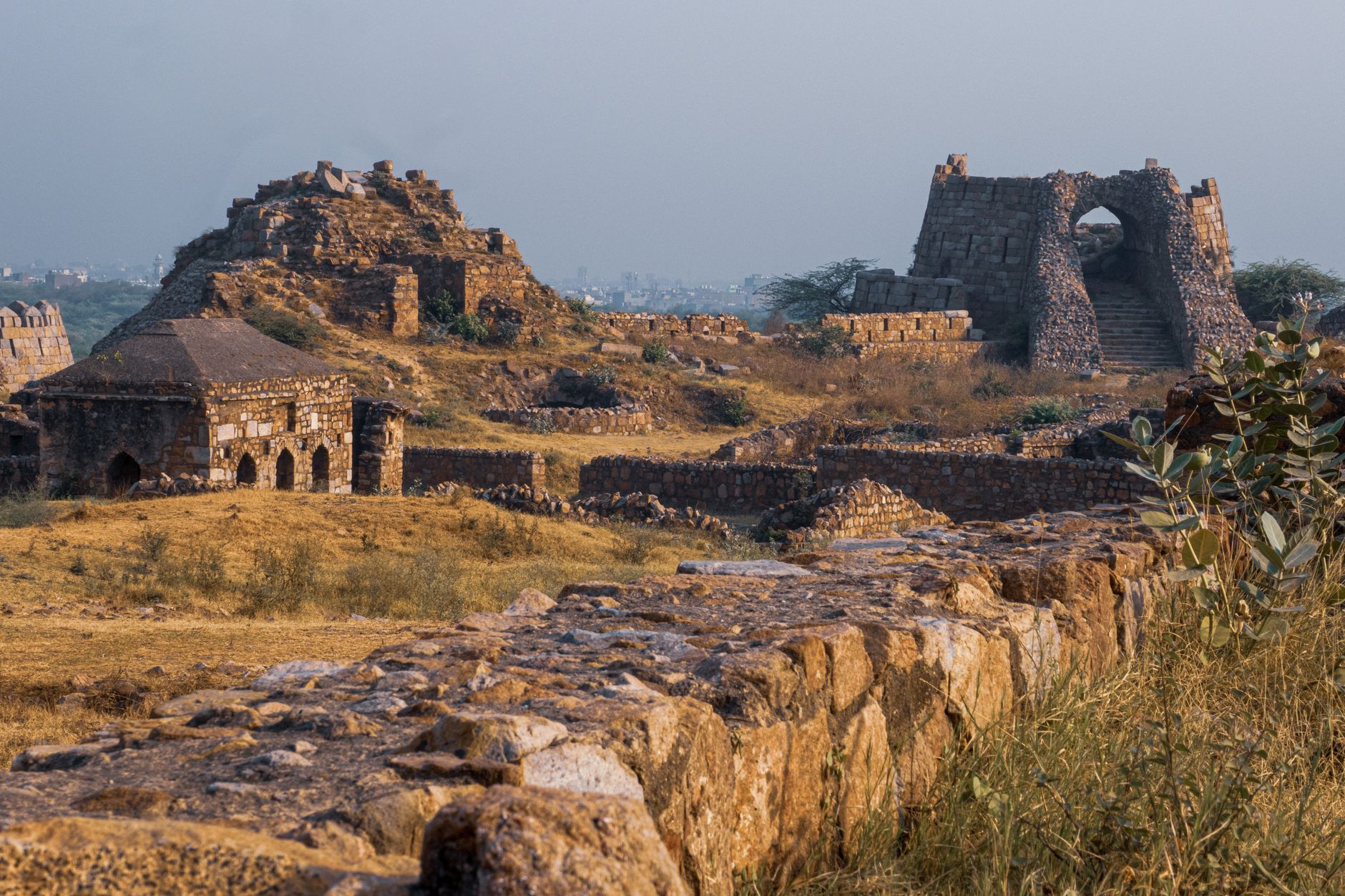
Alwar is a Rajasthan city 150 km southwest of Gurugram, historically a princely state and now the gateway to Sariska Tiger Reserve 35 km further south. It's a real Rajasthan small city — Bala Qila (the ridge-top fort), the City Palace-and-museum complex, Moosi Maharani Chhatri, and Siliserh Lake resort. Hotels run from ₹5705 budget guesthouses to ₹19018+ heritage properties like Hill Fort Kesroli and Ram Bagh Palace Alwar. By 9pm the old city lanes near Kedalganj are shuttered and quiet, and the only real activity sits around the railway station and the dhabas on Manu Marg.
For a Gurugram business traveller extending into weekend heritage tourism, Alwar is the plausible three-day loop — drive from Gurugram (3 hours via NH-48 and NH-8), stay two nights, either at a Alwar heritage property or continue to Sariska for the tiger safari. Alwar itself is small enough to explore in a single day and unpretty enough to be interesting rather than staged. Rajasthan food (dal-baati-churma, laal maas) is genuinely good here — better than any Rajasthani restaurant in Gurugram. Solo travellers and couples on a genuine weekend break suit Alwar well; those wanting resort-style pools should look to Neemrana instead.
Alwar's history runs deeper than most heritage-circuit stops near Delhi — it was one of Rajputana's oldest princely states, allied early with the Mughals and later with the British, and the Bala Qila ridge has been fortified since the 15th century. The city bazaar around Hope Circus and Company Bagh still trades in the same lac bangles, hand-block textiles and brass utensils it always has, priced for locals rather than tourists — a cotton bedspread runs ₹350-₹600 if you bargain. Alwar rewards a slow single day more than a rushed two; rushing it means missing the fort's actual scale.
Alwar is not a spa-and-pool weekend and it is not Jaipur — expect basic wifi even at the heritage properties, patchy hot water in shoulder season, and staff who speak functional rather than fluent English outside the two or three top hotels. Families with young children manage fine given the fort and lake stops are short outings, but anyone chasing a luxury-resort experience should continue on to Sariska or turn back toward Neemrana instead. Come for the fort, the food, and the genuine sense of a Rajasthan town that has not been restaged for tourists, not for polish.
Where to stay in Alwar
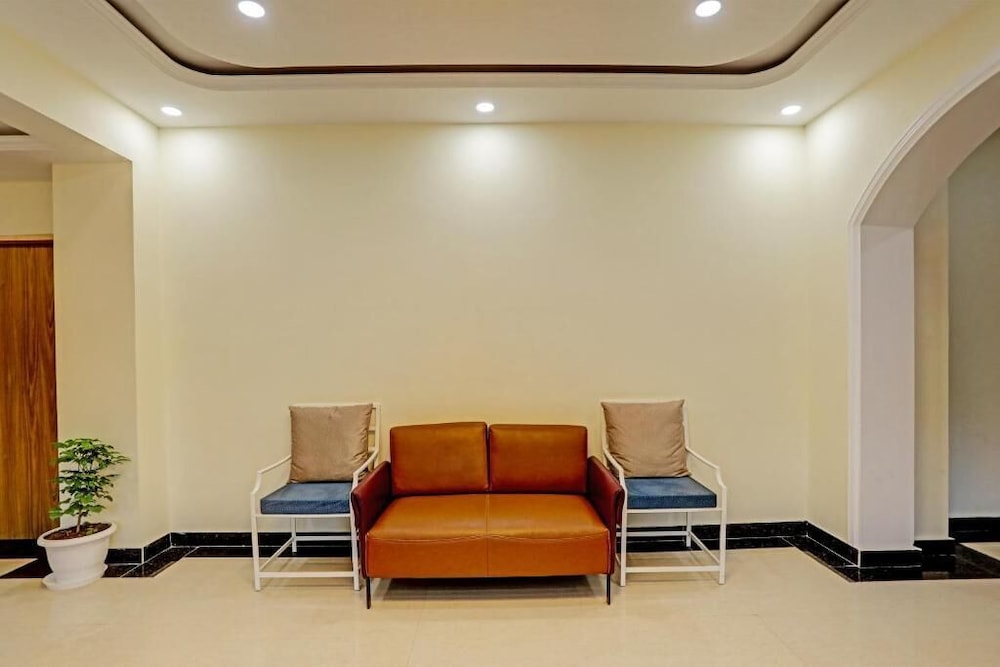
Two categories: heritage properties (Hill Fort Kesroli 12 km outside Alwar, Ram Bagh Palace within city, ₹14263-₹24723) and mid-market business hotels (Alwar Bagh, Country Inn Alwar, ₹6181-₹10460). For a two-night stay, pick a heritage property; for a Sariska-safari base, some travellers stay one night in an Alwar mid-market and one in Sariska itself. Verify winter rates October-February — heritage properties can be surprisingly affordable midweek. Budget guesthouses cluster near the railway station and Manu Marg, useful only for a single overnight before an early Sariska departure, with basic rooms from ₹1500-₹2500 and no restaurant. High season (October-March) pushes heritage rates to the top of the band and needs booking 3-4 weeks ahead; low season (April-September) can see the same rooms discounted 30-40%, though daytime heat makes sightseeing hard. Book Hill Fort Kesroli for the setting, Ram Bagh Palace for in-city convenience.
Where to sleep
Hotels in Alwar
Real, top-reviewed rooms — booked at the same live rate through app.impt.io, one verified tonne of carbon removed per stay.
★ 4.0 ★ 4.0
★ 4.0On the ground
Things to do in Alwar
- Bala Qila fort ridge climb10 km ridge road from central Alwar, drivable to the base then a 20-minute stair climb. Open 6am-6pm, no ticket, requires permission from the DFO office (Hill Fort Kesroli concierge arranges). Real ruined-fort feel — no restoration, no crowds. Best 7-9am for light and cool.
- City Palace and Government MuseumCentral Alwar, ₹20 entry, open 10am-4:30pm closed Fridays. Small but genuinely interesting collection — Mughal manuscripts, Rajput miniatures, the maharaja's dining table. 60 minutes covers it. Combine with the adjacent Moosi Maharani Chhatri cenotaph. Skip the top floor armoury section if short on time — it's thin compared to the main galleries.
- Siliserh Lake resort lunch13 km southwest of Alwar, a hunting-lodge-turned-hotel on a small lake in the Aravalli scrub. Lunch on the terrace ₹1141-₹1712, open to non-guests, book 4 hours ahead. Best October-February. Real Rajasthan-hunting-era architecture. The lake itself is often low or dry by summer, so this is very much a winter stop rather than a year-round draw.
- Sariska Tiger Reserve safari from Alwar35 km south of Alwar, jeep safari ₹4754-₹7607 per person, morning and afternoon slots. Book through Alwar heritage hotels or the Sariska gate direct 24 hours ahead. October-June the good window; closed July-September. Tiger sightings aren't guaranteed even in season, but the drive through the reserve's scrub forest and leopard/deer sightings make it worthwhile regardless.
- Fateh Jang Gumbad tomb visitA five-minute walk from Alwar railway station, this domed 1647 Mughal-era tomb of Fateh Jang Khan is free to enter and rarely visited — often just the caretaker and a handful of pigeons. Ten minutes is enough, but it's worth the detour if you're already at the station waiting on a train to Delhi.
- Bhangarh Fort day tripRoughly 55 km south of Alwar past Sariska, on the Alwar-Jaipur border, Bhangarh Fort is the ruin the ASI signposts as India's most haunted, though the real draw is the abandoned 17th-century town layout. Entry ₹25, open sunrise to sunset only — the ASI enforces no entry after dark. Combine with a Sariska safari to make the extra distance worthwhile.
Getting around & the essentials
On foot
Start at the City Palace, walk through the Sagar reservoir edge with its ghats and pavilions, into the old city market lanes (Ravi Kirana, Kedalganj), past the Moosi Maharani Chhatri, and back via the Company Bagh gardens. 75 minutes. Best 5-7pm October-March. The reservoir ghats are quiet even at peak season, and Kedalganj is the best place to buy block-printed textiles at real prices rather than hotel gift-shop rates.
By road
Essential
Transport
From Gurugram to Alwar: 3 hours by car via NH-48 and NH-8, ₹6181-₹8558 one-way hired car. Alwar is served by rail (Delhi-Jaipur mainline) — Shatabdi Express Delhi-Alwar 2 hours 40 minutes, ₹700-₹1400. From IGI airport: 3 hours 15 minutes by car. Inside Alwar: autos, cycle-rickshaws in the old city, hotel cars for out-of-town trips. Alwar's railway station sits 2 km from the old city and City Palace — an auto costs ₹50-₹80 for that stretch. There's no local bus network worth using for a short visit; hire a car with driver for the day (₹1500-₹2000) if you're doing Bala Qila, Siliserh and Sariska in one trip, since distances between them run 10-35 km each way.
Evenings
Real small-city Rajasthan, not staged
Best season
October to March
Good to know
Alwar, questions answered
Can I combine Alwar with Sariska in one trip?
Yes — the standard loop is Gurugram to Alwar (3 hours), one night at a heritage property, morning drive to Sariska for the safari (45 minutes), one night at Sariska Palace or similar, drive back to Gurugram. Book safari 48+ hours ahead in peak season.
Is Alwar safe for foreign visitors?
Yes — small Rajasthani city, tourist-familiar, low crime. Standard India-city awareness applies. Solo women fine daytime; take Ubers or hotel cars post-9pm. English understood at heritage hotels and major tourist sites; less so in local markets.
How many days do you need in Alwar?
One full day covers Bala Qila, the City Palace and Museum, and a walk through the old city; a second day is worth adding only if you're continuing to Sariska or Siliserh Lake. Most Gurugram-based visitors do it as a two-night, three-day loop including the safari. Trying to do Alwar and Sariska in a single day from Gurugram means over 6 hours of driving and rushes both.
What is the best time of year to visit Alwar?
October to March, when daytime temperatures sit in the 15-28°C range and both Bala Qila and Siliserh Lake are comfortable to visit outdoors. April to June gets genuinely hot, often above 40°C, and the monsoon months of July-September close Sariska Tiger Reserve entirely. If the safari matters to your trip, plan around the reserve's October-June open season rather than Alwar's own weather alone.
Keep exploring
Nearby areas
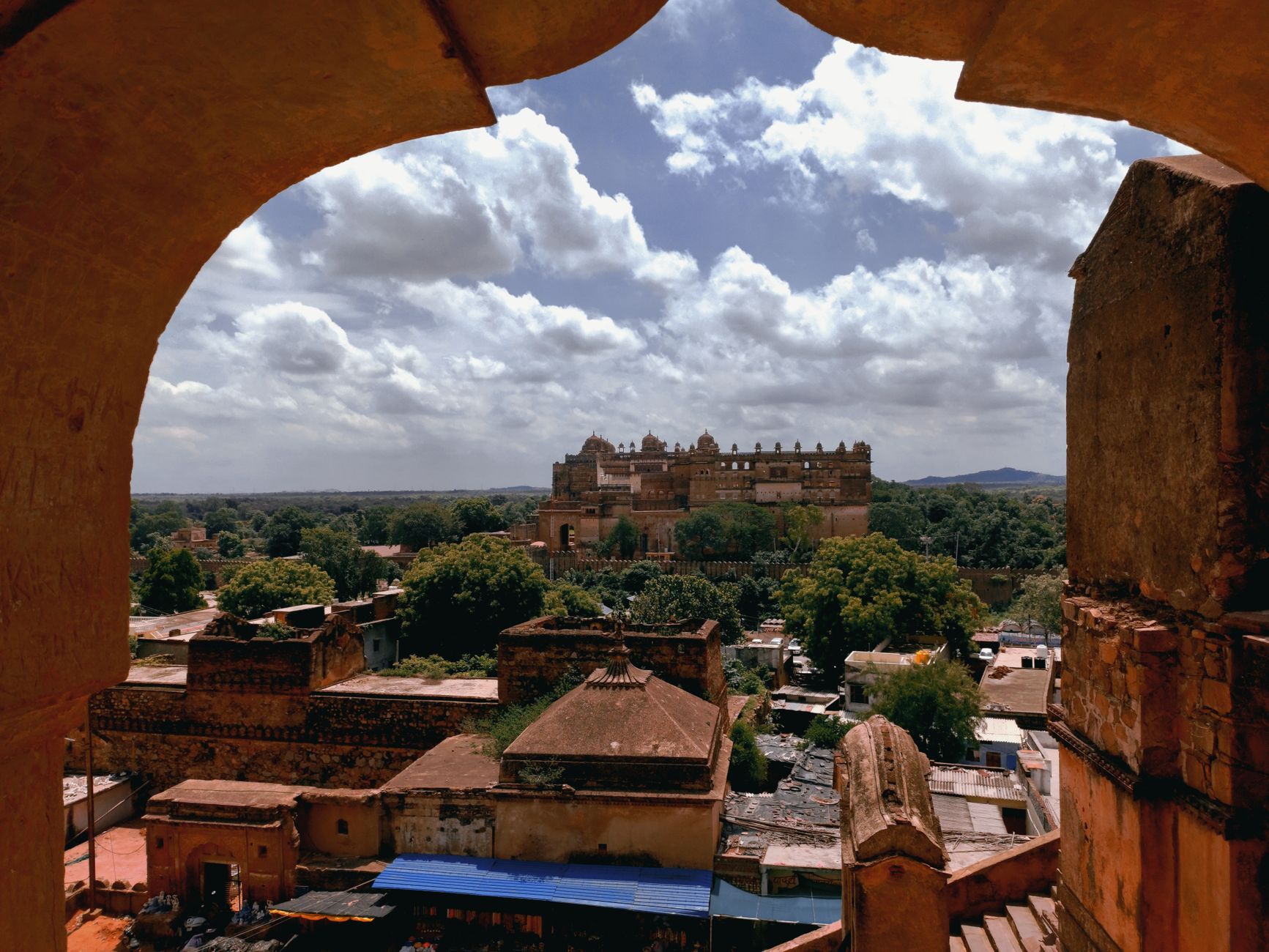
HERITAGE FORT
Neemrana
15th-century hillside fort-hotel 120 km southwest of Gurugram — heritage stay, weekend escape, offsite venue.
Stays in Neemrana
TIGER RESERVE
Sariska
Tiger reserve 180 km southwest of Gurugram — safaris, forest lodges, and the closest real wilderness to the city.
Stays in Sariska
HILLSIDE TOWN
Sohna
Small hill town 25 km south of Gurugram — hot sulphur springs, resort hotels, and a weekend escape.
Stays in SohnaDoing good is the business: every booking through Stay Gurugram funds one verified tonne of carbon removal — same room, same price, no markup.
Start your search