

 ★ 4.0
★ 4.0Tiger reserve 180 km southwest of Gurugram — safaris, forest lodges, and the closest real wilderness to the city.
Sariska Tiger Reserve is a 900 km2 protected forest in the Aravalli hills, 180 km southwest of Gurugram and 35 km south of Alwar. It's home to a reintroduced tiger population (roughly 25-30 tigers as of the last census), leopards, sambhar, nilgai and Rajasthan's characteristic Aravalli scrub-and-dhak forest. It's the closest genuine wilderness to Gurugram — a 3.5-hour drive via NH-48, and the animal-viewing is real rather than staged. The reserve gate sits at Sariska village on the Alwar-Thanagazi road, and the core zone is divided into safari zones, of which usually two are open to tourists on any given day depending on forest department rotation.
Hotels are limited: Sariska Palace (the maharaja's hunting lodge, ₹15214-₹24723), a handful of forest-adjacent lodges, and the government-run Sariska Tiger Reserve rest house. Rates jump 30-50% in peak season October-March. Safaris are jeep-based, ₹4754-₹7607 per person per slot, morning and afternoon runs of 3 hours each. Book 48 hours ahead in peak season, walk-in possible June-September. For a Gurugram-based ESG-committee retreat, Sariska offers a plausible 3-day nature-and-conservation angle. Outside safari hours there is almost nothing to do — no market street, no evening promenade — so anyone expecting a lively small-town base after dark should look at Alwar instead.
By 9pm Sariska village is silent: a couple of dhaba lights along the Thanagazi road, generator hum from the smaller lodges, and otherwise total dark once you're past the reserve gate. There's no nightlife to speak of and none is being built — the appeal is entirely the forest, the palace architecture, and the quiet. This suits couples on a wildlife-first trip, birdwatchers, and photographers willing to do two safaris in a day. It does not suit anyone wanting restaurants, shopping or a lively evening scene; that traveller should base in Alwar and day-trip out to the safaris instead.
The drive down from Gurugram via NH-48 and the Alwar bypass is unglamorous — dhaba stops, highway trucks, a long stretch of flat Haryana-Rajasthan border country before the Aravallis rise up near Alwar. It's worth doing once for the payoff at the other end: real forest, real animals, a genuine hunting-lodge hotel. It is not worth doing as a day trip from Gurugram; the drive alone eats 7 hours round-trip, leaving barely time for one safari. Plan at least one night, ideally two, to justify the distance.
Where to stay in Sariska
The best base is Sariska Palace itself — real hunting-lodge architecture, direct forest access, ₹17116-₹24723 depending on room and season. Alternatives: Utsav Camp Sariska (tented, ₹12361-₹17116), Tiger Den Resort (mid-market, ₹9509-₹13312). Avoid budget guesthouses in the tiny village at the reserve gate; quality is inconsistent. Verify safari-booking assistance — some lodges arrange, some don't. In low season (June-September, when the core zone is shut for monsoon) rates on all three drop by roughly a third and rooms are easy to get same-day; in peak season (October-March) book at least a week out, since safari-linked demand fills the palace's limited room count fast. For most travellers coming from Gurugram, Sariska Palace remains the one booking worth making in advance — everything else is a fallback.
Where to sleep
Hotels in Sariska
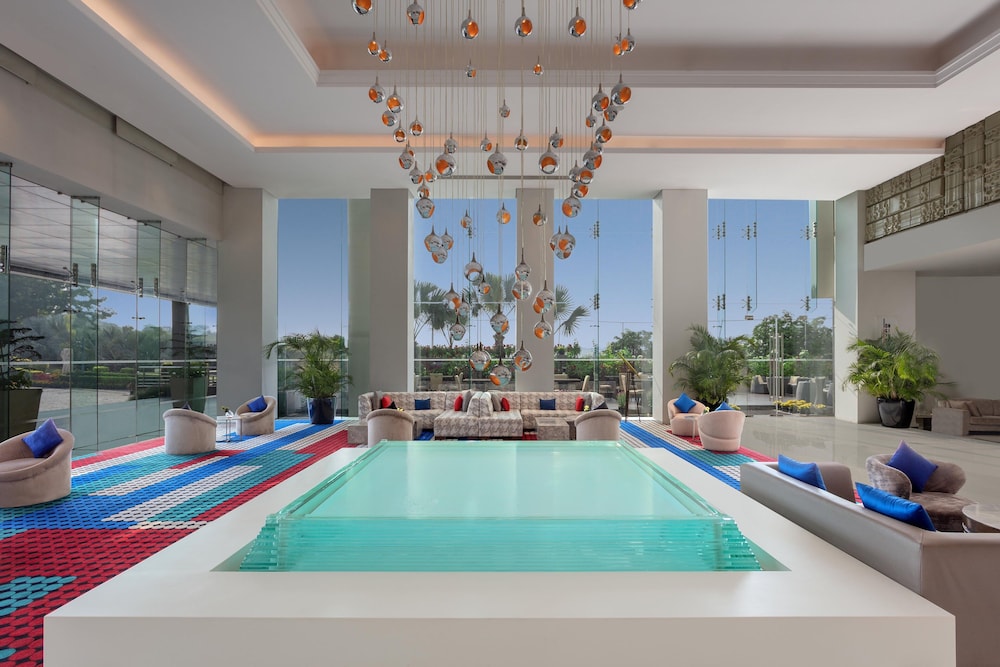
Real, top-reviewed rooms — booked at the same live rate through app.impt.io, one verified tonne of carbon removed per stay.
★ 4.0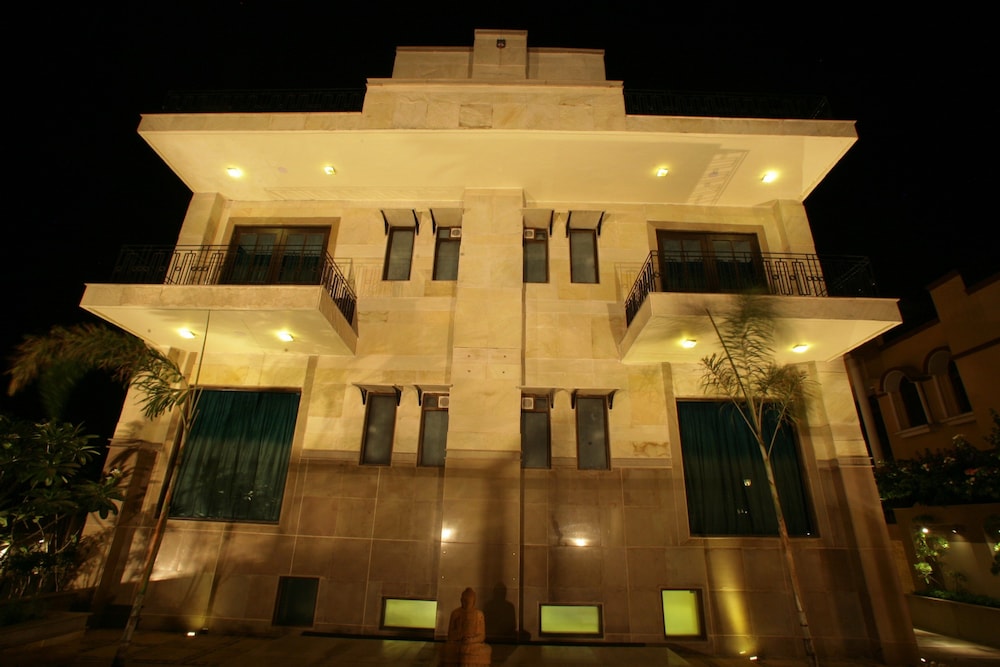 ★ 4.0
★ 4.0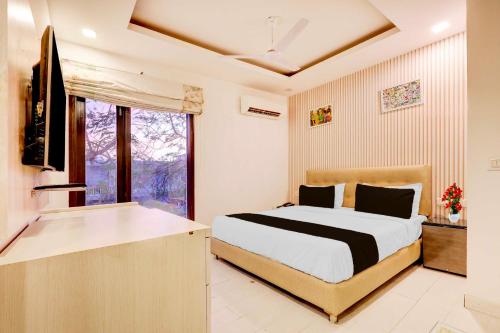 ★ 4.0
★ 4.0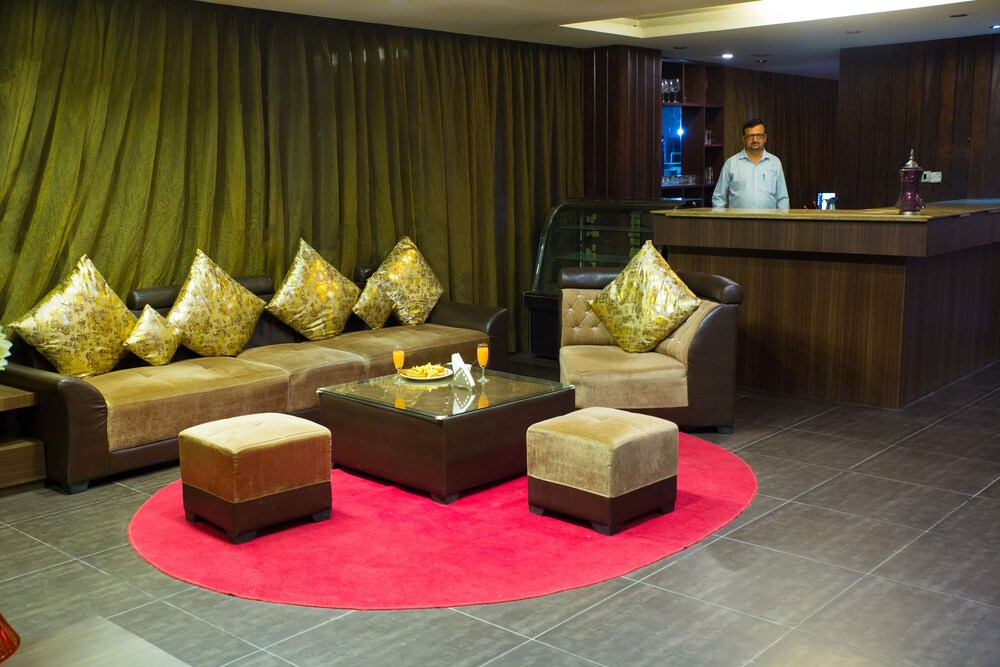 ★ 4.0
★ 4.0On the ground
Things to do in Sariska
- Morning jeep safari at SariskaReserve gate departure 6:30am winter / 6am summer. 3-hour circuit, ₹4754-₹7607 per person, shared jeep. Tiger sightings are real but not guaranteed — 30-40% success rate in a single safari. Book two safaris (one morning, one afternoon) for better odds.
- Kankwadi Fort inside the reserve12 km inside Sariska on the safari route, a small ruined fort on a Aravalli ridge where the last Mughal claimant Dara Shikoh was briefly held prisoner. Only accessible during safaris. Adds 30 minutes to the standard route; ask your driver.
- Pandupol temple and monkey colony20 km inside the reserve, a Hindu temple site with an active langur and rhesus macaque colony. Non-safari access permitted Tuesdays and Saturdays. ₹951 vehicle entry. Real forest atmosphere, small local pilgrim crowds.
- Bird-watching at Silesar DamJust outside the reserve boundary, a small dam with waterbird populations — cormorants, kingfishers, occasional storks. Free, best 6:30-9am. Combine with morning safari as the pre- or post-safari pause.
- Neelkanth Mahadev temple ruins32 km from Sariska village on the road toward Rajgarh, a cluster of 10th-century Hindu and Jain temple ruins scattered across a quiet hillside. Free entry, open daylight hours, virtually no crowds. Worth a half-day detour if you have a car and a driver who knows the turn-off.
- Bhangarh Fort day tripRoughly 35 km from Sariska, India's most famous "haunted" fort — a genuinely atmospheric 17th-century ruin. ASI entry ₹15 for Indians, ₹200 for foreign visitors, gates open sunrise to sunset, and the site officially closes to visitors before dusk.
Getting around & the essentials
On foot
From Sariska Palace grounds, walk the boundary trail along the reserve buffer zone (not inside the reserve itself — that requires safari vehicle). The path runs past the palace's old stable block, along a low stone boundary wall, and up to a disused watchtower before looping back through scrub forest to the gate. Real Aravalli scrub, birdsong, occasional deer. 45 minutes. Best 6:30-8am. Do not walk after dusk; wildlife-human boundaries are real here.
By road
Essential
Transport
From Gurugram to Sariska: 3.5 hours by car via NH-48 and Alwar road, ₹7132-₹9509 one-way hired car. Coming from IGI Airport in Delhi, add roughly 45-60 minutes to reach Gurugram first before joining NH-48 south. From Alwar: 45 minutes. No train station at Sariska; nearest is Alwar (35 km), served by regular trains from Delhi. No metro, no shared transport beyond Alwar-Sariska local buses (unreliable for foreigners). Hotel-arranged transfer is standard. Once at Sariska, movement is entirely by hotel car or safari jeep — there is no local taxi rank or auto-rickshaw stand at the reserve gate, so arrange onward transport before you arrive.
Evenings
Deep-forest quiet, real stars
Best season
October to June
Good to know
Sariska, questions answered
Am I likely to see a tiger at Sariska?
30-40% chance per safari in peak winter, less in summer. Book two safaris (morning and afternoon) over a two-night stay for a better odds. Sariska is smaller and less tiger-dense than Ranthambore; visit Sariska for accessibility from Gurugram, Ranthambore for higher tiger odds.
When is Sariska closed?
Sariska is open year-round, but the core zone (best for tigers) is closed July 1 - September 30 for monsoon. Buffer zones remain open in monsoon but the roads get bad and visibility drops. October-June is the reliable window; February-April the best combination of weather and animal activity.
How do I book a Sariska safari from Gurugram?
Safaris are booked online through the Rajasthan forest department portal or through your hotel, ideally 48 hours ahead in peak season. Shared jeeps cost ₹4754-₹7607 per person; a private jeep for up to six people costs more but lets you set your own pace. Walk-up slots exist but fill fast October-March, so book before you leave Gurugram if your dates are fixed.
Can I visit Sariska Palace without doing a safari?
Yes — the palace itself is open to guests and day visitors for its grounds, dining room and hunting-lodge architecture without a safari booking. That said, most people who make the 3.5-hour drive from Gurugram come specifically for the reserve, so skipping the safari means skipping the reason most travellers choose Sariska over a closer Aravalli retreat.
Keep exploring
Nearby areas
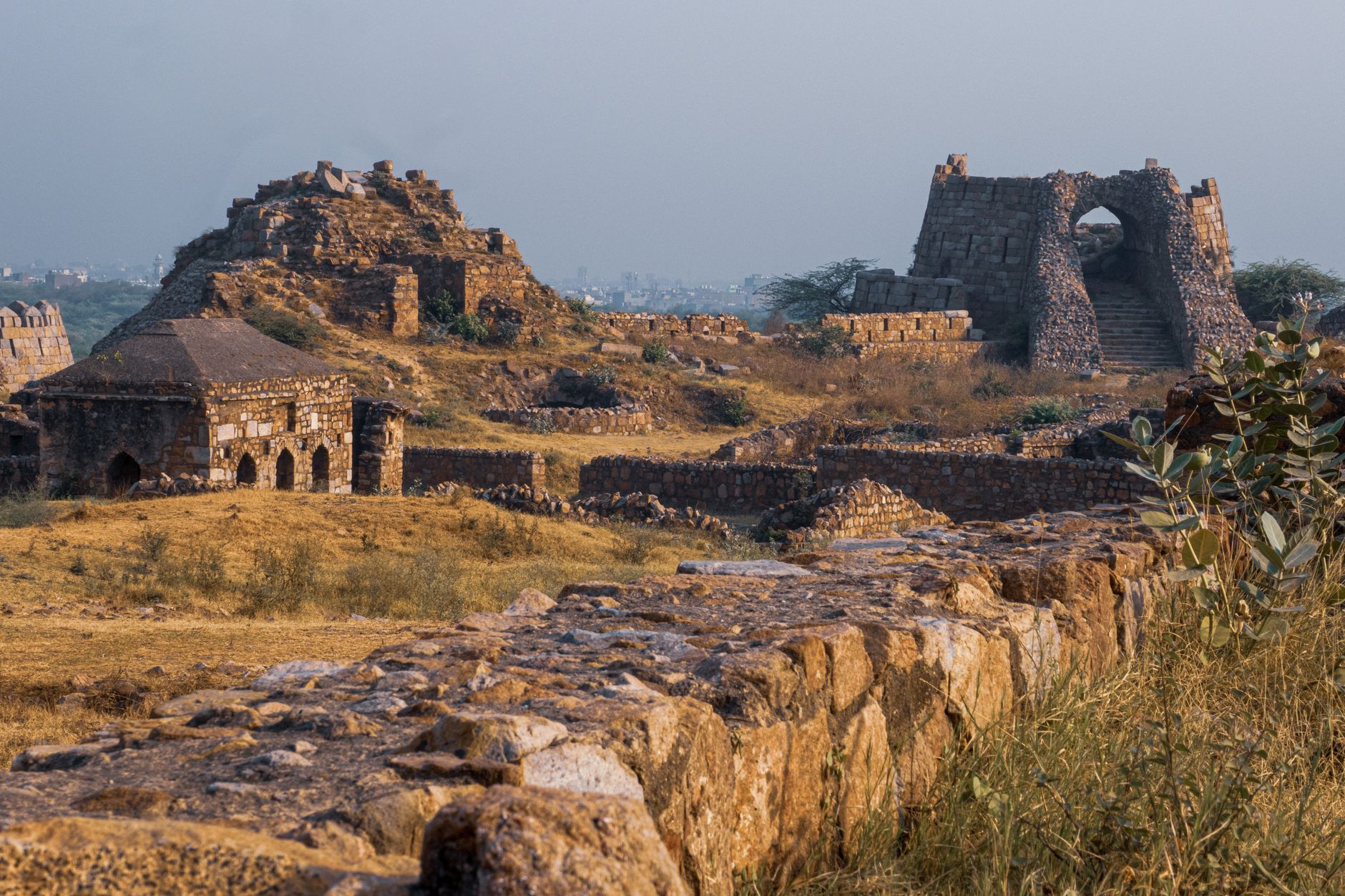
RAJASTHAN GATEWAY
Alwar
Rajasthan city 150 km southwest of Gurugram — Bala Qila fort, Sariska gateway, real heritage stays.
Stays in Alwar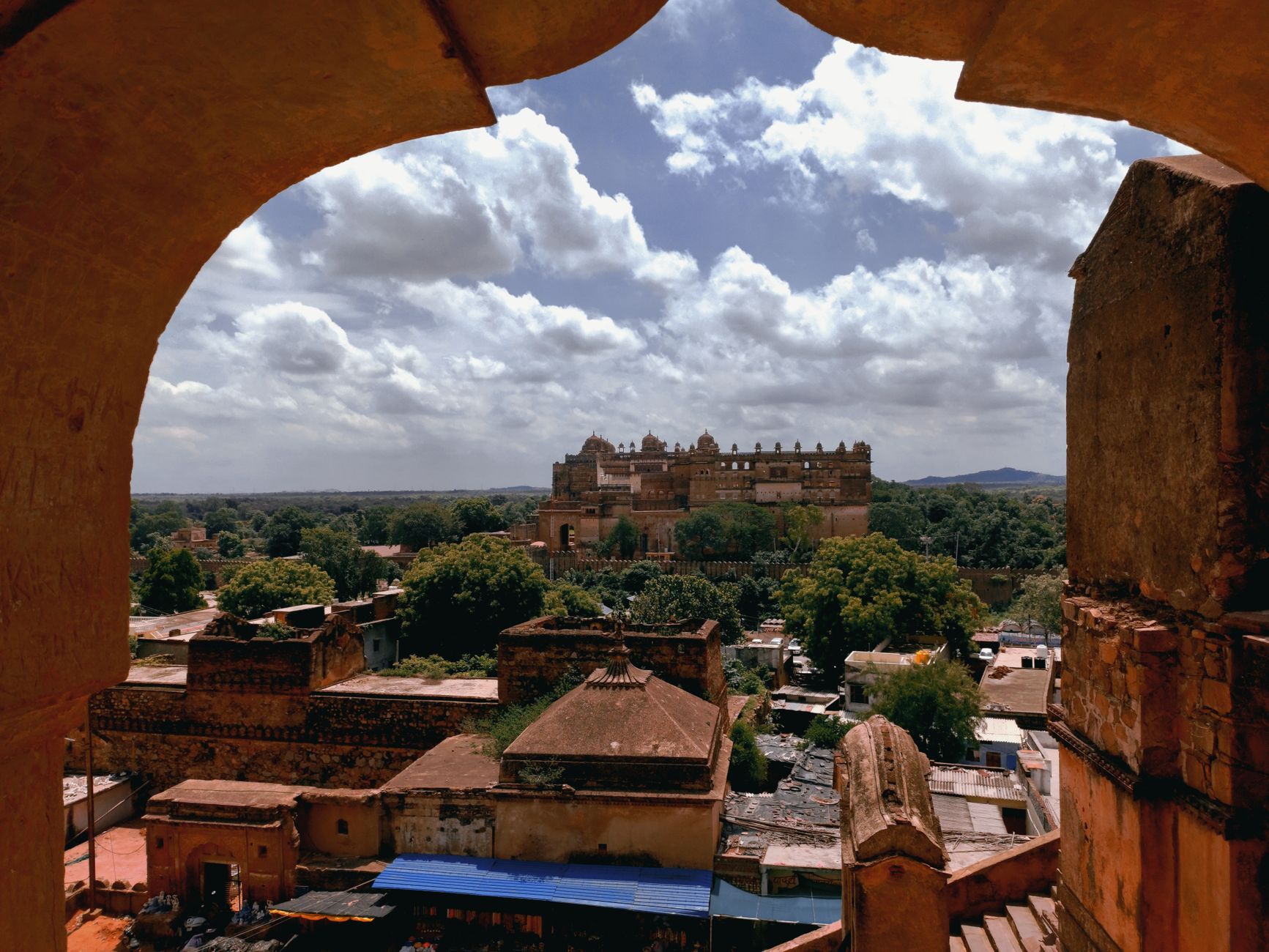
HERITAGE FORT
Neemrana
15th-century hillside fort-hotel 120 km southwest of Gurugram — heritage stay, weekend escape, offsite venue.
Stays in Neemrana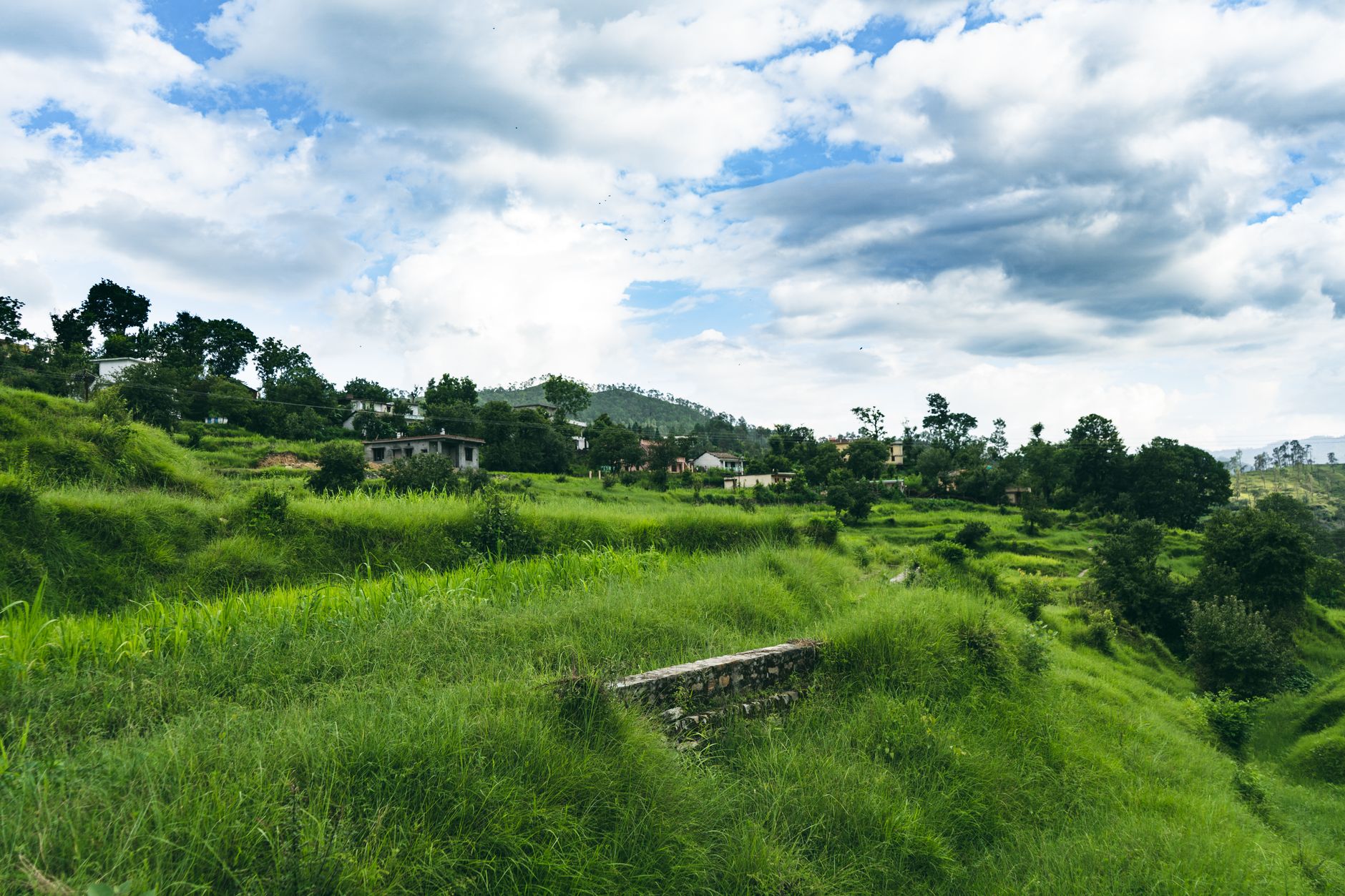
HILLSIDE TOWN
Sohna
Small hill town 25 km south of Gurugram — hot sulphur springs, resort hotels, and a weekend escape.
Stays in SohnaDoing good is the business: every booking through Stay Gurugram funds one verified tonne of carbon removal — same room, same price, no markup.
Start your search